In a period of high exchange rates and increasing volatility, foreign exchange risk management has become essential for export companies. ORSKOREA attended the “Foreign Exchange Transaction System and Exchange Rate Outlook Seminar” on March 25, 2026, and reviewed key trends in FX inspections, exchange rate outlook, and risk management strategies for manufacturing companies.
수출기업이 외환리스크 관리에 주목해야 하는 이유
Why Export Companies Need Foreign Exchange Risk Management
환율 변동성이 커질수록 수출기업의 외환리스크 관리는 단순한 재무 관리가 아니라 경영 안정성과 직결되는 핵심 과제가 됩니다. 수출 제조기업은 견적, 계약, 결제, 수출대금 회수, 원가 구조가 모두 환율과 연결되어 있기 때문입니다.
특히 정밀기계, 스핀들, 산업용 설비처럼 단가가 높고 납기 기간이 긴 제품은 계약 시점과 대금 회수 시점 사이의 환율 변화에 따라 수익성이 달라질 수 있습니다. 환율이 급변하면 예상 마진이 줄어들거나 원가 부담이 커질 수 있습니다.
따라서 제조기업 수출에서는 환율을 단순히 예측하는 것보다, 변동성을 전제로 가격·계약·결제 조건을 사전에 관리하는 것이 중요합니다. 외환리스크 관리는 이제 해외영업, 무역, 재무, 경영관리 부서가 함께 점검해야 할 경영 리스크 관리 영역입니다.
As exchange rate volatility increases, foreign exchange risk management becomes a key issue for export companies. In export manufacturing, quotations, contracts, payment terms, export payment collection, and cost structures are all closely linked to exchange rates.
For high-value products such as precision machinery, spindles, and industrial equipment, profitability can change depending on exchange rate movements between the contract date and payment collection date.
Therefore, export manufacturers should focus not only on predicting exchange rates, but also on managing pricing, contracts, and payment conditions based on volatility. Foreign exchange risk management is now an important business risk issue across sales, trade, finance, and management teams.
강화되는 외환검사, 수출 제조기업이 주의해야 할 리스크
Key FX Inspection Risks for Export Manufacturers
최근 외환거래에 대한 검사 범위는 기존 수입 중심에서 수출기업과 용역 거래 기업까지 확대되고 있습니다. 외환검사는 단순히 서류가 준비되어 있는지를 확인하는 절차가 아니라, 기업의 수출입 거래와 실제 자금 흐름이 합리적으로 연결되어 있는지를 종합적으로 점검하는 과정입니다.
특히 제조기업 수출 실무에서는 거래 단계별 증빙과 자금 흐름의 일관성을 확보하는 것이 중요합니다. 금액 차이가 발생하거나 거래 구조가 복잡한 경우에는 그 사유, 승인 여부, 관련 증빙 자료를 명확히 정리해 두어야 합니다.
수출기업이 주의해야 할 주요 외환 리스크는 다음과 같습니다.
이러한 외환 리스크는 단순한 실무 오류로 끝나지 않을 수 있습니다. 위반 금액이나 사안에 따라 과태료, 행정처분, 범칙조사로 이어질 수 있으며, 경우에 따라 경영진의 책임 문제로 확대될 가능성도 있습니다.
따라서 수출 제조기업에서는 외환검사를 사후 대응의 문제가 아니라, 평소 거래 구조와 자금 흐름을 투명하게 관리하는 사전 리스크 관리의 관점에서 접근해야 합니다.
Recently, the scope of foreign exchange inspections has expanded from import-focused transactions to export companies and service-related companies. An FX inspection is not simply a process of checking whether documents are prepared. It is a comprehensive review of whether a company’s import/export transactions and actual fund flows are reasonably connected.
For export manufacturers, it is important to ensure consistency between transaction documents and fund flows at each stage. If there are discrepancies in amounts or complex transaction structures, the reasons, approval status, and supporting documents should be clearly organized.
Key foreign exchange risks that export companies should pay attention to include the following.
These FX risks may not end as simple administrative errors. Depending on the violation amount or the nature of the case, they may lead to penalties, administrative measures, or investigations. In some cases, they may also develop into management-level responsibility.
Therefore, export manufacturers should approach FX inspections not as a post-issue response, but from the perspective of preventive risk management by maintaining transparent transaction structures and fund flows in daily operations.
고환율과 환율 변동성, 수출 제조기업에 미치는 영향
How High Exchange Rates and FX Volatility Affect Export Manufacturers
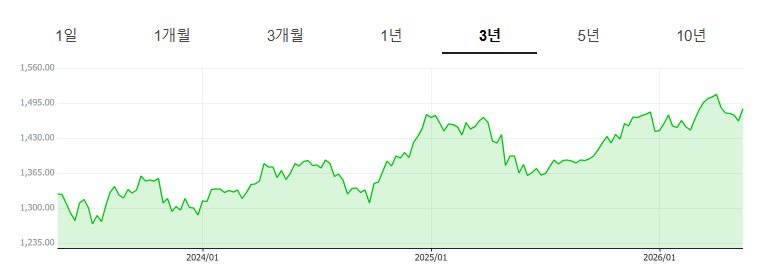
최근 외환시장은 과거보다 변동성이 커진 환경에 놓여 있습니다. 설명회에서는 일일 20~30원 수준의 환율 변동이 발생할 수 있으며, 원·달러 환율 역시 1,400원 후반에서 1,500원대가 새로운 기준으로 인식될 가능성이 있다는 점이 언급되었습니다.
환율 상승과 변동성 확대의 배경에는 개인 및 기관의 해외 투자 확대, 한·미 금리 격차, 지정학적 리스크, 외국인 자금 유출 등 다양한 요인이 복합적으로 작용하고 있습니다. 반면 글로벌 자금 유입이나 금리 정책 변화와 같은 하락 요인도 함께 존재하기 때문에, 기업이 환율 방향을 단정하기는 쉽지 않습니다.
특히 현재 환율 환경은 과거의 평균 환율이나 경험적 기준만으로 판단하기 어려운 구간에 진입하고 있습니다. 환율이 일정한 방향으로만 움직이기보다, 외부 변수에 따라 급격히 상승하거나 하락할 수 있는 구조가 형성되고 있기 때문입니다.
수출 제조기업 입장에서는 이러한 변화가 단순한 금융시장 이슈에 그치지 않습니다. 환율 수준과 변동 폭이 커질수록 수익성, 현금흐름, 원가 부담, 해외 거래처와의 협상 구조까지 영향을 받을 수 있습니다. 따라서 고환율과 환율 변동성은 수출기업이 지속적으로 모니터링해야 할 핵심 경영 변수로 볼 필요가 있습니다.
Recently, the foreign exchange market has entered a period of higher volatility than before. During the seminar, it was mentioned that daily exchange rate movements of 20 to 30 KRW may occur, and the USD/KRW exchange rate could potentially be recognized as entering a new range, from the high 1,400s to the 1,500s.
The rise in exchange rates and increased volatility are driven by multiple factors, including the expansion of overseas investments by individuals and institutions, the continued interest rate gap between Korea and the United States, geopolitical risks, and foreign capital outflows. At the same time, downward factors such as global capital inflows and changes in interest rate policy also exist, making it difficult for companies to determine a clear direction for exchange rates.
In particular, the current exchange rate environment has entered a phase that is difficult to assess based only on past average rates or previous market experience. Rather than moving in one consistent direction, exchange rates may rise or fall sharply depending on external variables.
For export manufacturers, these changes are not simply financial market issues. As exchange rate levels and volatility increase, they can affect profitability, cash flow, cost burden, and negotiation structures with overseas customers. Therefore, high exchange rates and exchange rate volatility should be viewed as key management factors that export companies need to monitor continuously.
수출기업을 위한 외환리스크 관리 대응 전략
Foreign Exchange Risk Management Strategies for Export Companies
환율 변동성과 외환검사 강화 흐름 속에서 수출기업은 외환리스크 관리를 단순한 실무 대응이 아닌 경영 관리 체계로 바라볼 필요가 있습니다. 중요한 것은 문제가 발생한 뒤 대응하는 것이 아니라, 평소 거래 구조와 자금 흐름을 투명하게 관리하는 것입니다.
01. 거래 흐름을 하나의 기준으로 관리해야 합니다
수출입 신고, 계약, 선적, 대금 회수, 회계 처리까지의 흐름이 서로 연결되어 있어야 합니다. 개별 서류를 따로 관리하는 방식보다, 하나의 거래 단위로 증빙과 자금 흐름을 함께 점검하는 체계가 필요합니다.
02. 특수 결제 구조는 사전에 검토해야 합니다
상계 거래, 제3자 지급, 해외 계좌 거래처럼 일반적인 송금 구조와 다른 거래는 외환 리스크로 이어질 수 있습니다. 이러한 거래가 발생하는 경우에는 사전 신고 대상 여부를 확인하고, 필요 시 외국환은행, 관세사, 세무 전문가와 함께 검토하는 것이 안전합니다.
03. 환율 변동성은 영업과 재무 전략에 함께 반영해야 합니다
고환율 시대에는 환율을 정확히 예측하는 것보다, 변동 가능성을 전제로 의사결정하는 것이 중요합니다. 수출 제조업에서는 견적, 계약 조건, 결제 시점, 원가 구조를 검토할 때 환율 리스크를 함께 고려해야 합니다.
오알에스코리아는 앞으로도 수출 제조기업이 참고할 수 있는 환율, 외환거래, 외환리스크 관리, 글로벌 비즈니스 관련 인사이트를 지속적으로 다룰 예정입니다. 제조기업 수출 실무에 도움이 되는 다양한 정보를 꾸준히 공유하겠습니다.
In a period of exchange rate volatility and stricter FX inspections, export companies need to manage foreign exchange risk as part of their overall business management system. The key is not to respond after an issue occurs, but to maintain transparent transaction structures and fund flows in daily operations.
01. Manage the entire transaction flow under one standard
Export declarations, contracts, shipment records, payment collection, and accounting should be connected as one transaction flow. Instead of managing each document separately, companies need a system that reviews documents and fund flows together.
02. Review non-standard payment structures in advance
Offset transactions, third-party payments, and overseas account transactions may create additional FX risks. If these structures are used, companies should check whether prior reporting is required and consult with a foreign exchange bank, customs broker, or tax professional when necessary.
03. Reflect exchange rate volatility in both sales and financial strategies
In a high exchange rate environment, it is more important to make decisions based on volatility than to predict exchange rates precisely. Export manufacturers should consider FX risk when reviewing quotations, contract terms, payment timing, and cost structures.
ORSKOREA will continue to share insights on exchange rates, foreign exchange transactions, FX risk management, and global business for export manufacturers. We will keep providing practical information that can support manufacturing companies in their export operations.