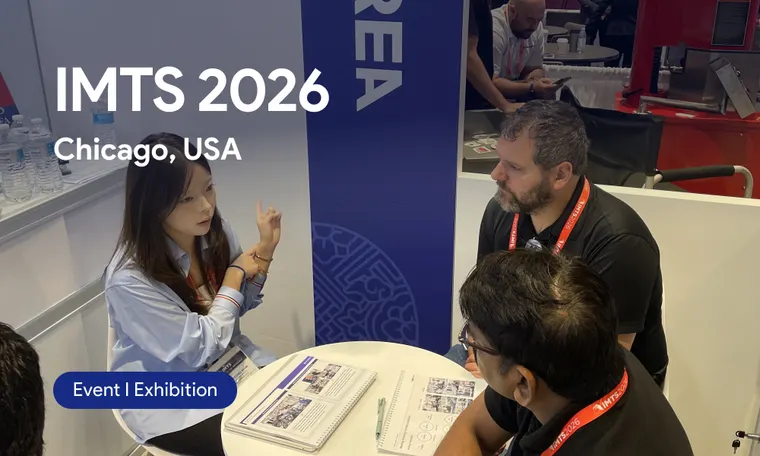
미국 시카고에서 개최된 IMTS 2026에 오알에스코리아가 전시기업으로 참가하여, 미국 제조업 현장에서 자동화와 산업용 로봇의 변화 흐름을 직접 확인할 수 있었습니다. 특히 로봇 액추에이터에 적용되는 볼스크류 샤프트와 정밀 나사 부품 제조사들과의 현장 상담을 통해, 정밀 연삭·가공과 자동화 생산에 대한 실질적인 수요를 확인할 수 있었습니다.
What We Observed in U.S. Manufacturing at IMTS 2026
IMTS 2026에서 확인한 미국 제조업의 변화
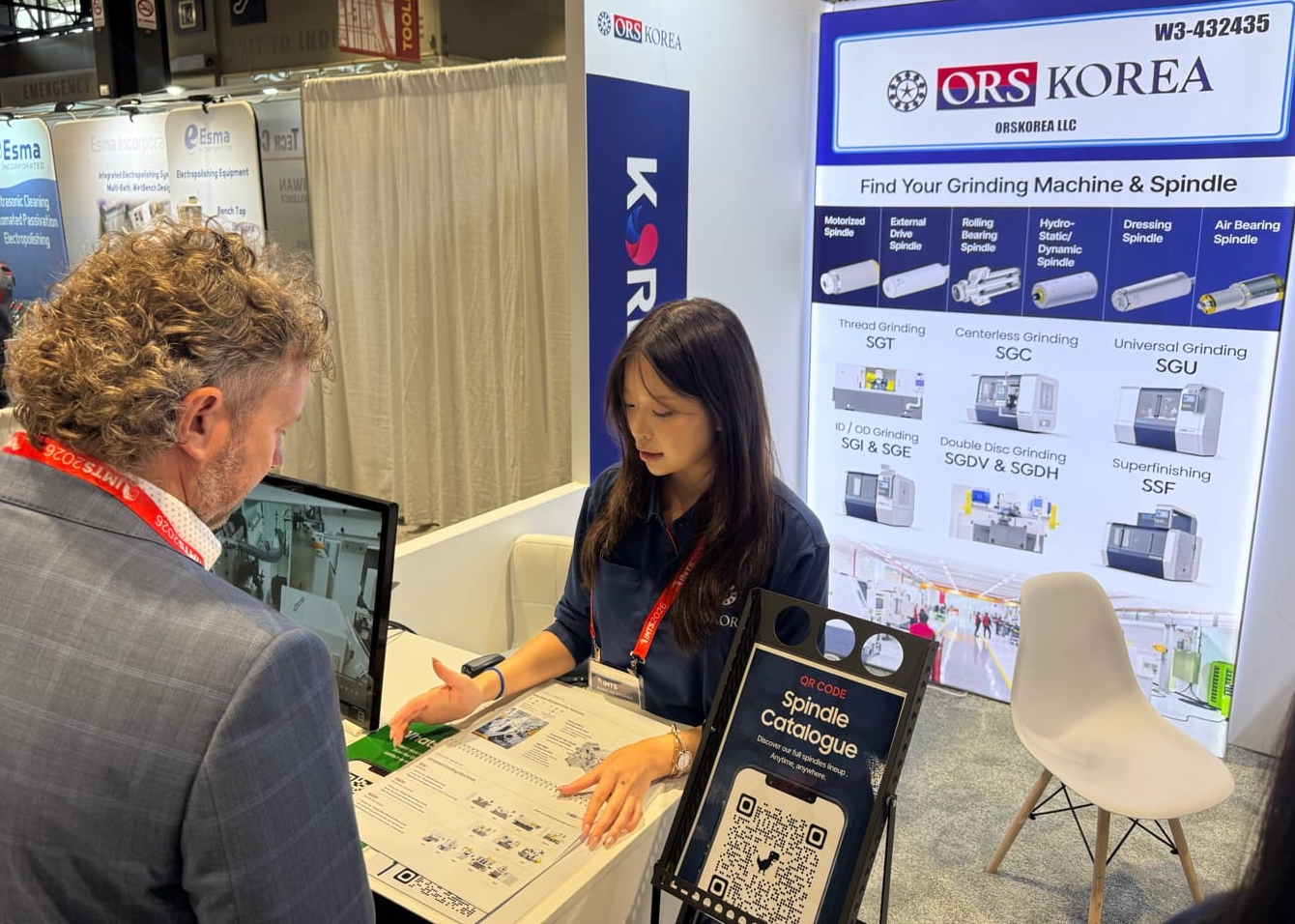
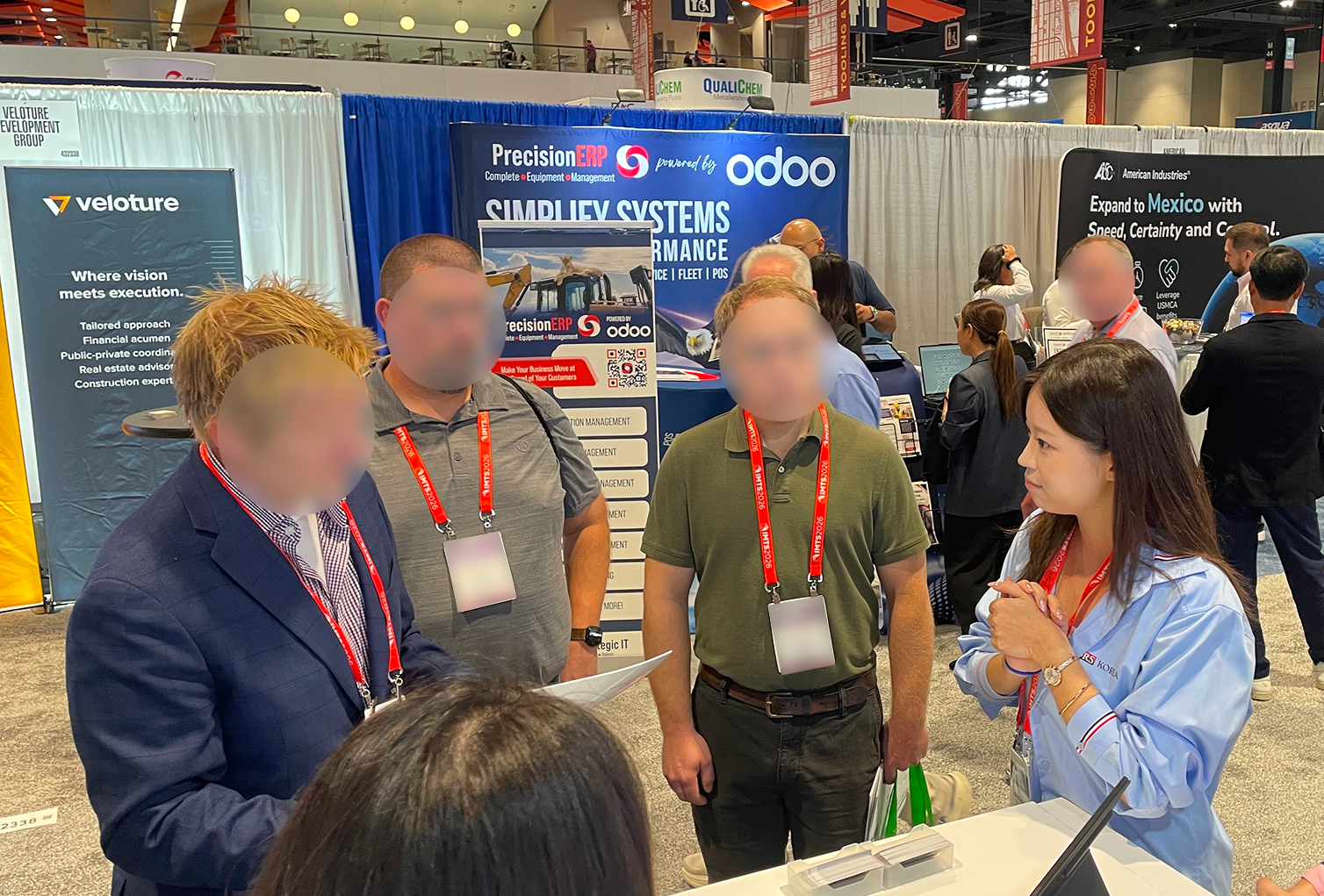
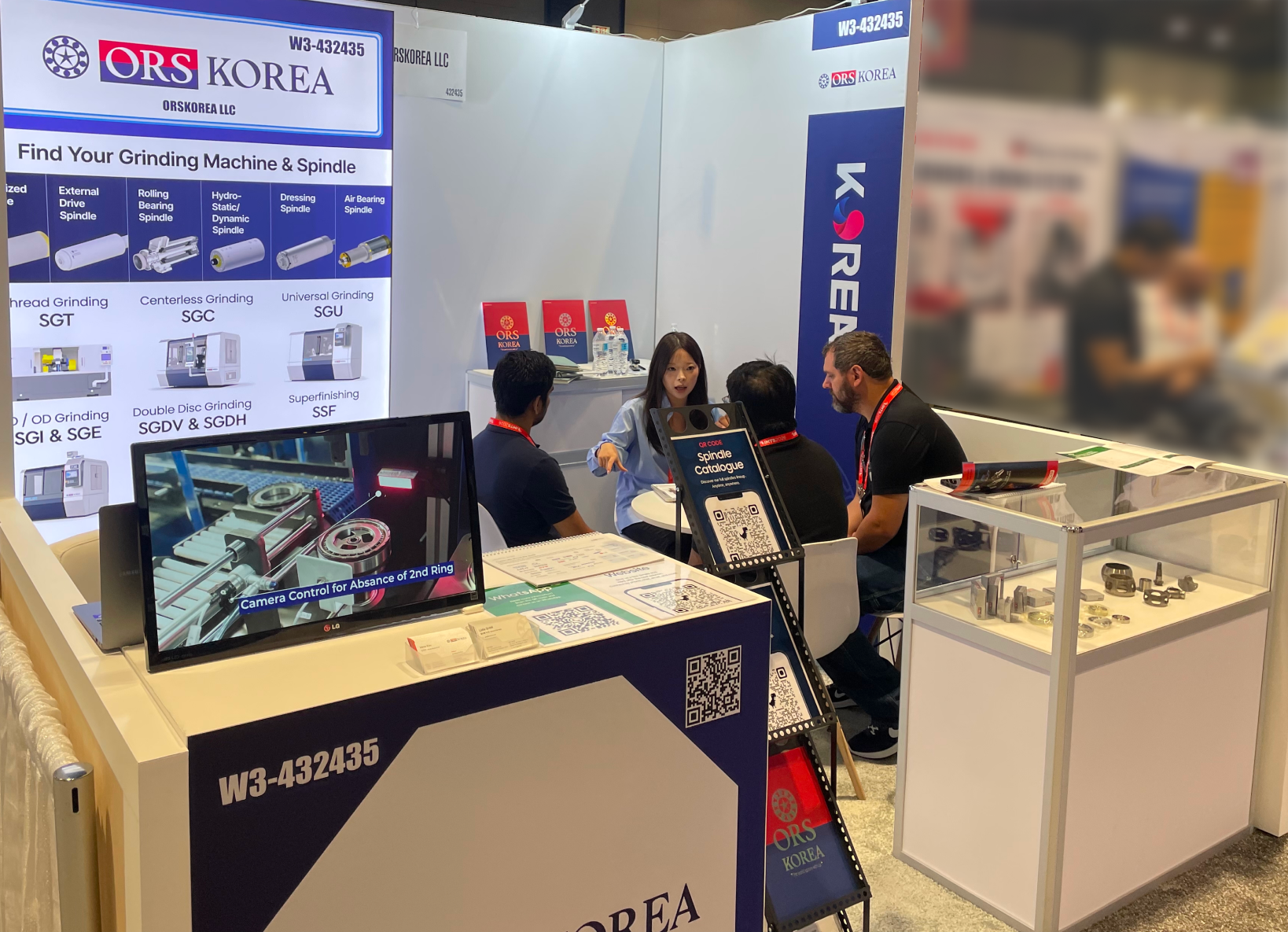
At IMTS 2026, automation was increasingly focused on improving productivity within existing manufacturing operations. Solutions aimed at reducing manual intervention, improving equipment utilization, and creating more connected production processes reflected how manufacturers are approaching automation with more specific operational goals.
Industrial robotics is also expanding into a broader range of industries. In Q2 2026, non-automotive industries accounted for approximately 56% of North American robot orders. As robotic applications diversify, component specifications and production requirements are also becoming more varied, increasing the importance of manufacturing technologies that can produce these precision components consistently.
IMTS 2026에서는 기존 생산현장의 생산성과 설비 활용도를 높이기 위한 자동화가 주요 흐름으로 나타났습니다. 수작업을 줄이고 공정 간 연결성을 높이는 등, 자동화를 실제 생산 효율 개선에 적용하려는 움직임이 보다 구체화되고 있습니다.
산업용 로봇의 적용 분야도 빠르게 넓어지고 있습니다. 2026년 2분기 북미 로봇 주문의 약 56%가 자동차 이외의 산업에서 발생했습니다. 로봇의 활용 산업이 다양해질수록 시스템에 적용되는 정밀부품의 사양과 생산 조건 역시 다양해지며, 로봇 부품을 안정적으로 생산하기 위한 제조기술의 중요성도 함께 높아지고 있습니다.
Machining Demand for Robot Actuator Components at IMTS 2026
IMTS 현장에서 확인한 로봇 액추에이터 부품 가공 수요
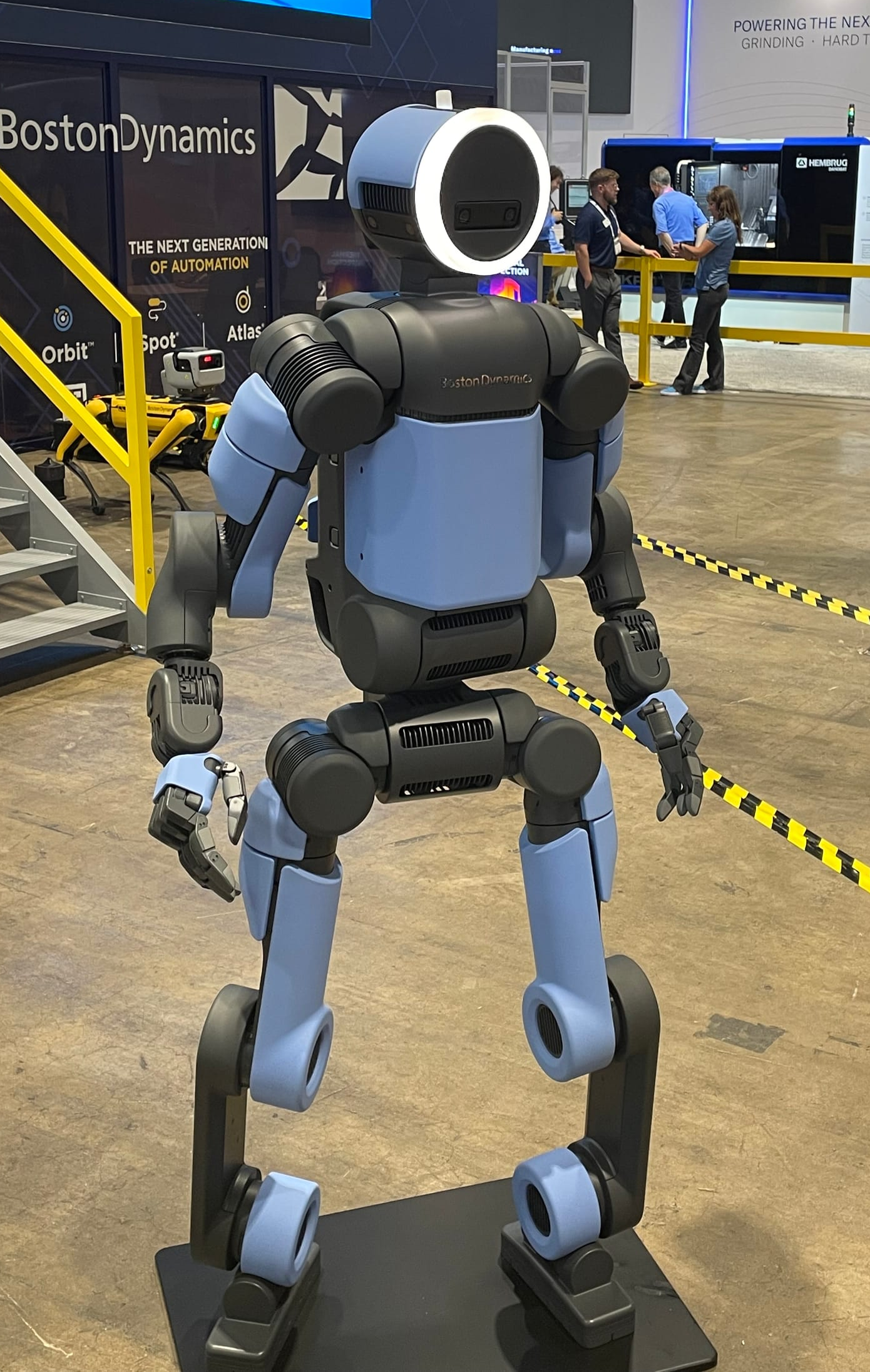
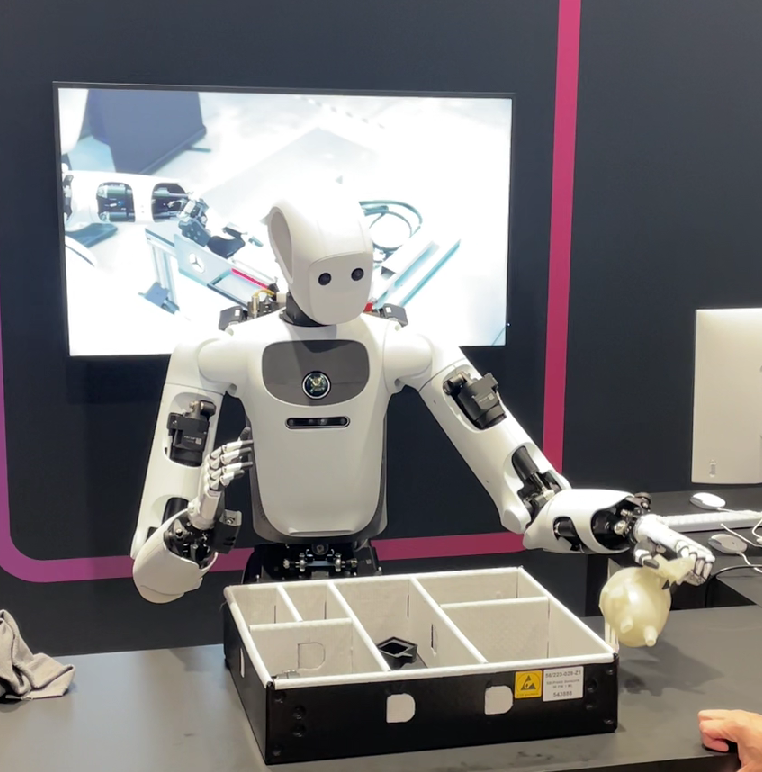
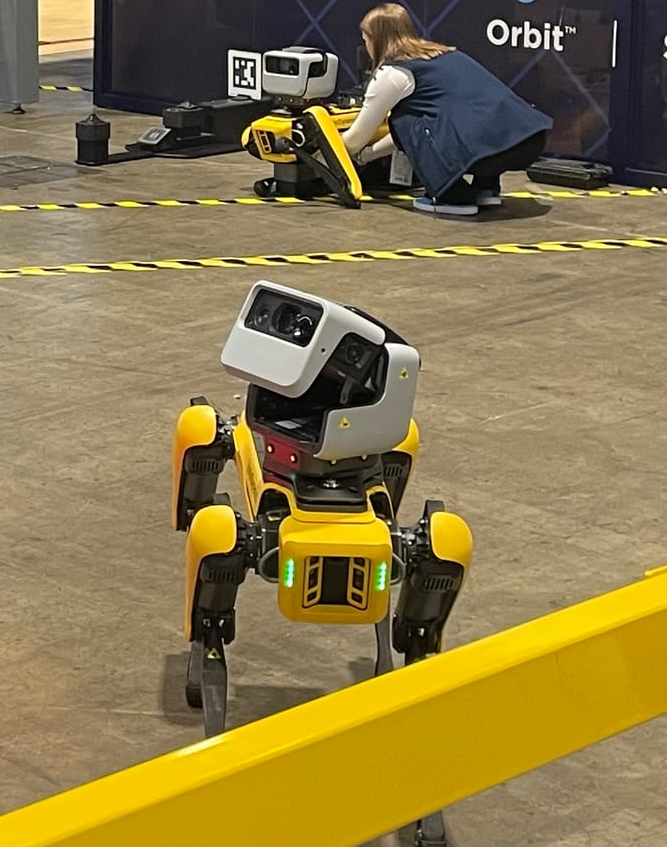
This shift was also reflected in discussions at IMTS 2026. Manufacturers producing components for robot actuators, including ball screw shafts and precision threaded parts, showed clear interest in whether these parts could be supported through precision grinding and automated production solutions.
For component manufacturers, the challenge is not only achieving the required geometry and accuracy, but also maintaining stable quality under actual production conditions. As demand for robot actuator components becomes more diverse, manufacturers are increasingly looking for machining solutions that can address both precision and production efficiency.
이러한 변화는 IMTS 2026 현장 상담에서도 구체적으로 확인할 수 있었습니다. 로봇 액추에이터에 적용되는 볼스크류 샤프트와 정밀 나사 부품을 생산하는 제조사들을 중심으로, 해당 부품의 정밀 연삭 가능 여부와 자동화 생산에 대응할 수 있는 가공 솔루션에 대한 수요가 나타났습니다.
정밀부품 제조에서 중요한 것은 요구 형상과 정밀도를 구현하는 것뿐만 아니라 실제 양산 환경에서도 안정적인 품질을 유지하는 것입니다. 로봇 액추에이터용 부품의 사양과 생산 조건이 다양해질수록, 정밀도와 생산성을 함께 고려한 가공 솔루션의 필요성도 커지고 있습니다.
Precision Thread Grinding for Robot Actuator Drive Components
로봇 액추에이터용 정밀 구동 부품과 나사연삭
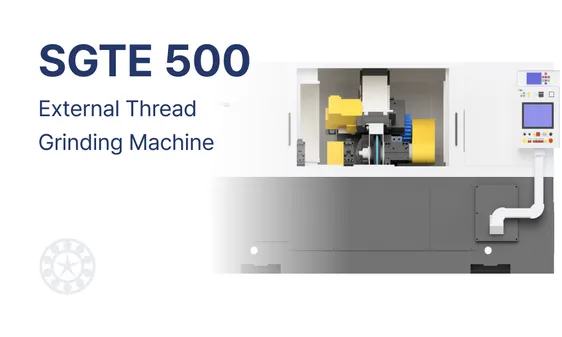
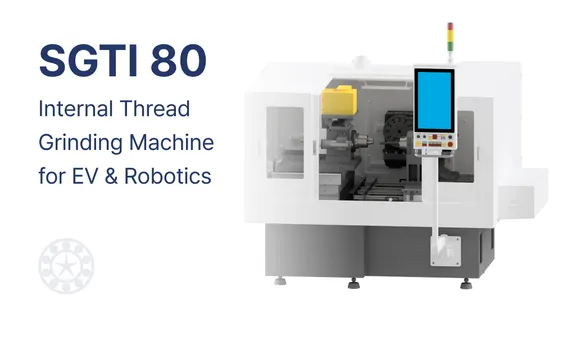
Ball screws are used in robot actuators and precision positioning systems to convert rotary motion into linear motion. Within these systems, components such as ball screw nuts and ball screw shafts require precise thread and raceway geometry to support accurate and stable motion.
For these components, dimensional accuracy alone is not enough. Lead and pitch accuracy, thread profile, runout, mounting accuracy, and surface quality must be controlled consistently throughout the manufacturing process. Maintaining these characteristics after heat treatment and across repeated production is especially important for manufacturers producing precision drive components.
To support these machining requirements, ORSKOREA offers dedicated solutions for both internal and external thread grinding. SGTI 80 is designed for precision internal thread grinding of ball screw nuts and compact threaded components, while SGTE 500 supports external thread and profile grinding of ball screw shafts and precision threaded shafts. From internal threads in ball screw nuts to external threads and profiles on ball screw shafts, these machines support a range of thread grinding requirements for precision drive components used in robotics.
볼스크류는 로봇 액추에이터와 정밀 위치 제어 시스템에서 회전운동을 직선운동으로 변환하는 구동요소로 활용됩니다. 이러한 시스템에 적용되는 볼스크류 너트와 볼스크류 샤프트는 정확하고 안정적인 구동을 위해 정밀한 나사 및 볼 홈 형상 가공이 요구됩니다.
이러한 부품은 단순한 치수 정밀도뿐 아니라 리드·피치 정밀도, 나사 프로파일, 축 흔들림, 장착부 정밀도 및 표면 품질 등을 가공 과정 전반에서 일관되게 관리해야 합니다. 특히 열처리 후 최종 가공과 반복 생산에서도 요구 정밀도를 안정적으로 유지하는 것은 정밀 구동 부품 제조에서 중요한 요소입니다.
오알에스코리아는 이러한 가공 요구에 맞춰 내경과 외경 나사연삭에 각각 대응하는 전용 장비를 개발하고 있습니다. SGTI 80은 볼스크류 너트와 소형 정밀 나사 부품의 내경 나사연삭에, SGTE 500은 볼스크류 샤프트와 정밀 나사축의 외경 나사 및 프로파일 연삭에 대응합니다. 볼스크류 너트의 내경 나사부터 샤프트의 외경 나사와 프로파일까지, 로보틱스용 정밀 구동 부품에 요구되는 다양한 나사연삭 공정에 대응할 수 있습니다.
How ORSKOREA Is Responding to Changing Manufacturing Needs
변화하는 제조 수요에 대응하는 오알에스코리아
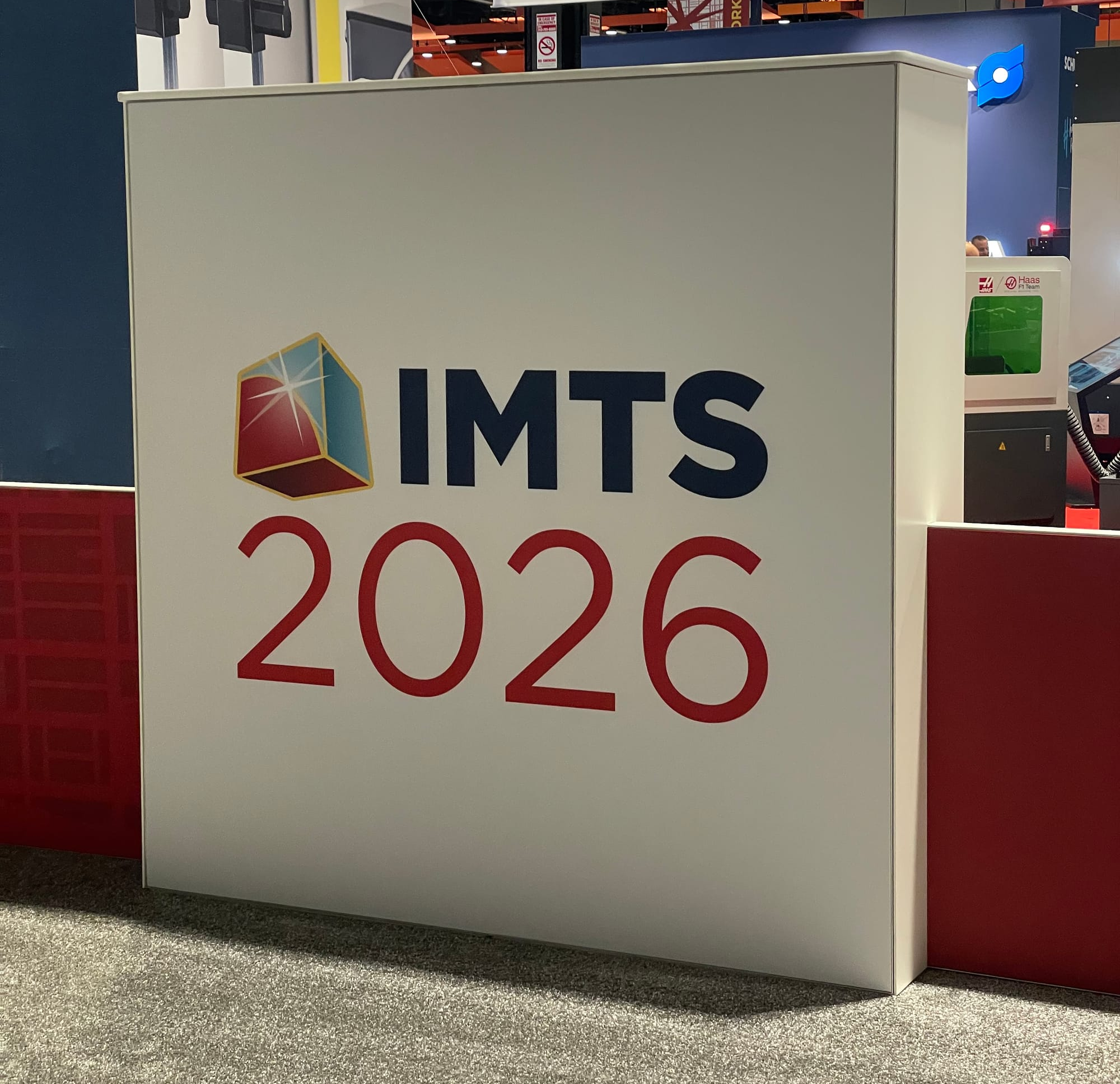
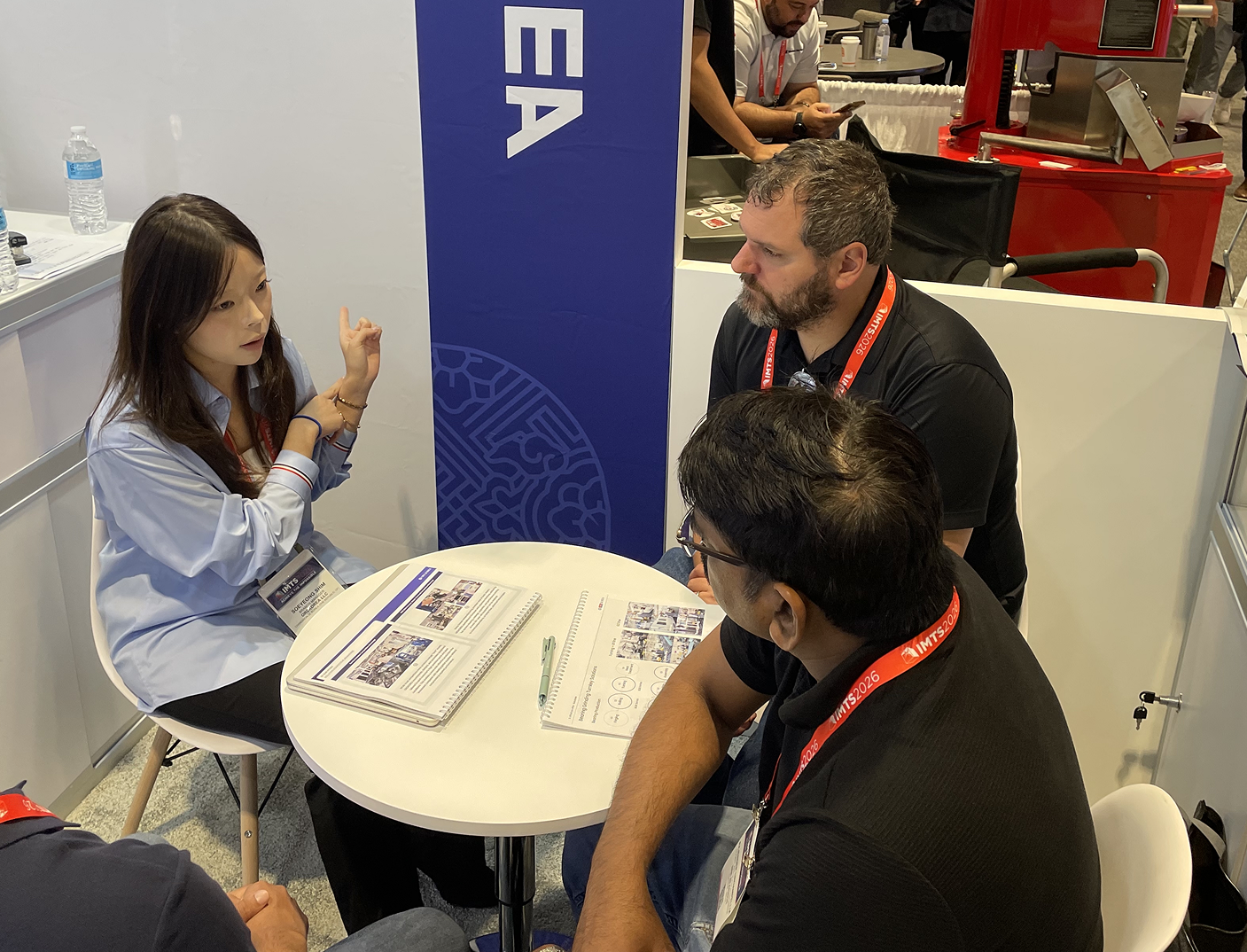
As robotics applications continue to expand, manufacturers are facing a wider range of component geometries, accuracy requirements, and production conditions. ORSKOREA responds to these needs with ID/OD Grinding, Cylindrical Grinding, Centerless Grinding, and Thread Grinding solutions tailored to specific workpieces and production requirements. When standard configurations are not sufficient, ORSKOREA can develop dedicated machining processes and machine configurations to meet specific machining and automation requirements.
IMTS 2026 gave us valuable insight into how these manufacturing needs are evolving in the U.S. market and where new precision machining opportunities are emerging. ORSKOREA will continue to strengthen its capabilities in precision grinding and customized manufacturing solutions to support the changing requirements of robotics and precision component manufacturers.
We sincerely thank everyone who visited the ORSKOREA booth at IMTS 2026 and shared their applications, challenges, and ideas with us. We look forward to continuing these conversations beyond the show.
로보틱스의 적용 분야가 확대되면서 부품의 형상과 요구 정밀도, 생산 조건 역시 더욱 다양해지고 있습니다. 오알에스코리아는 이러한 변화에 대응해 내·외경 연삭, 원통연삭, 센터리스 연삭, 나사연삭 등 다양한 가공 기술을 기반으로 고객의 가공물과 생산 조건에 맞춘 솔루션을 제공합니다. 또한 기존 장비 구성만으로 대응하기 어려운 요구사항에는 필요에 따라 전용 가공 공정이나 장비 구성을 개발하며, 고객의 가공 조건과 자동화 요구에 맞는 솔루션을 함께 만들어가고 있습니다.
이번 IMTS 2026은 미국 제조업 현장에서 변화하고 있는 가공 수요와 새로운 정밀가공 가능성을 직접 확인할 수 있는 자리였습니다. 오알에스코리아는 앞으로도 로보틱스와 정밀부품 제조 현장의 다양한 요구에 대응할 수 있도록 정밀 연삭 기술과 맞춤형 제조 솔루션 역량을 지속적으로 확대해 나가겠습니다.
IMTS 2026 기간 동안 오알에스코리아 부스를 방문해 다양한 가공 과제와 의견을 나눠주신 모든 분들께 진심으로 감사드립니다. 전시회에서 시작된 만남이 앞으로도 의미 있는 협력과 기술 논의로 이어지기를 기대합니다.