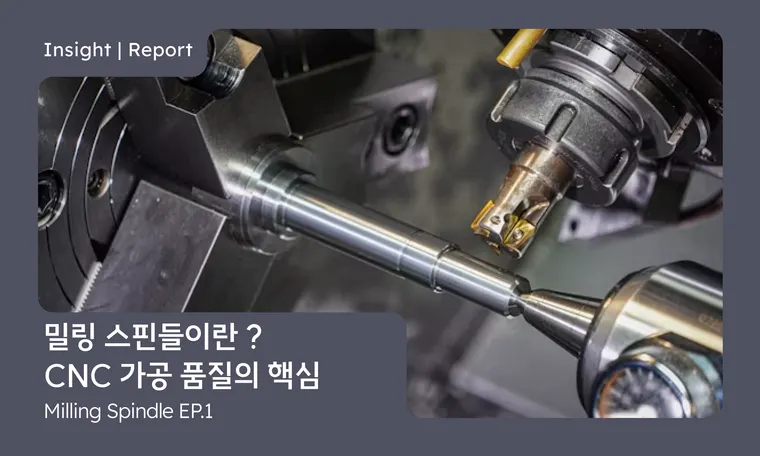
In milling, the spindle is a core CNC unit that directly influences machining accuracy and productivity. Beyond rotating the cutting tool, it affects vibration, thermal stability, surface quality, and process consistency. Understanding the milling spindle is therefore essential for evaluating machine performance and machining reliability.
밀링 스핀들이란 무엇이며,
CNC 가공에서 어떤 역할을 하는가?
What Is a Milling Spindle and How Does It Work in CNC Machining?
선반 가공에서는 공작물이 회전하지만, 밀링 가공에서는 스핀들이 절삭 공구를 회전시킵니다. 이 차이가 밀링 스핀들의 역할을 이해하는 출발점입니다.
밀링 스핀들은 CNC 밀링 머신이나 머시닝센터에서 절삭 공구를 장착하고, 모터에서 발생한 회전 동력과 토크를 공구에 전달하는 핵심 유닛입니다. 공구를 단순히 빠르게 회전시키는 장치가 아니라, 가공 중 발생하는 절삭 하중을 지지하면서 설정된 회전 상태를 안정적으로 유지해야 합니다.
가공 프로그램이 공구 경로와 이송 조건을 결정한다면, 밀링 스핀들은 그 조건이 실제 절삭으로 구현되도록 만드는 역할을 합니다. 동일한 프로그램과 공구를 사용하더라도 스핀들의 강성, 회전 안정성, 열 관리 상태가 다르면 실제 가공 결과는 달라질 수 있습니다.
밀링 스핀들이 수행하는 주요 역할
- 공구를 안정적으로 체결하고 정해진 속도로 회전
- 모터의 출력과 토크를 절삭 공구에 전달
- 방사 방향과 축 방향으로 발생하는 절삭 하중 지지
- 공구 교환과 장비 자동화 기능 지원
- 냉각·윤활 계통을 통해 장시간 운전 중 열과 마찰 관리
- 진동과 회전 흔들림을 억제해 가공 조건을 일정하게 유지
In turning operations, the workpiece rotates. In milling, the spindle rotates the cutting tool. This distinction is the starting point for understanding the function of a milling spindle.
A milling spindle is the core unit in a CNC milling machine or machining center that holds the cutting tool and transfers rotational power and torque from the drive system. Its role is not simply to rotate the tool at speed. It must also support cutting loads and maintain stable rotation throughout the machining process.
While the CNC program defines the toolpath, feed rate, and cutting conditions, the milling spindle converts those commands into actual cutting action. Even when the same program and tooling are used, differences in spindle rigidity, rotational stability, and thermal behavior can lead to different machining results.
The main functions of a milling spindle include:
- Holding and rotating the cutting tool at a controlled speed
- Transmitting power and torque from the drive system
- Supporting radial and axial cutting loads
- Enabling tool changes and automated machining functions
- Managing heat and friction through cooling and lubrication systems
- Limiting vibration and rotational deviation to maintain stable cutting conditions
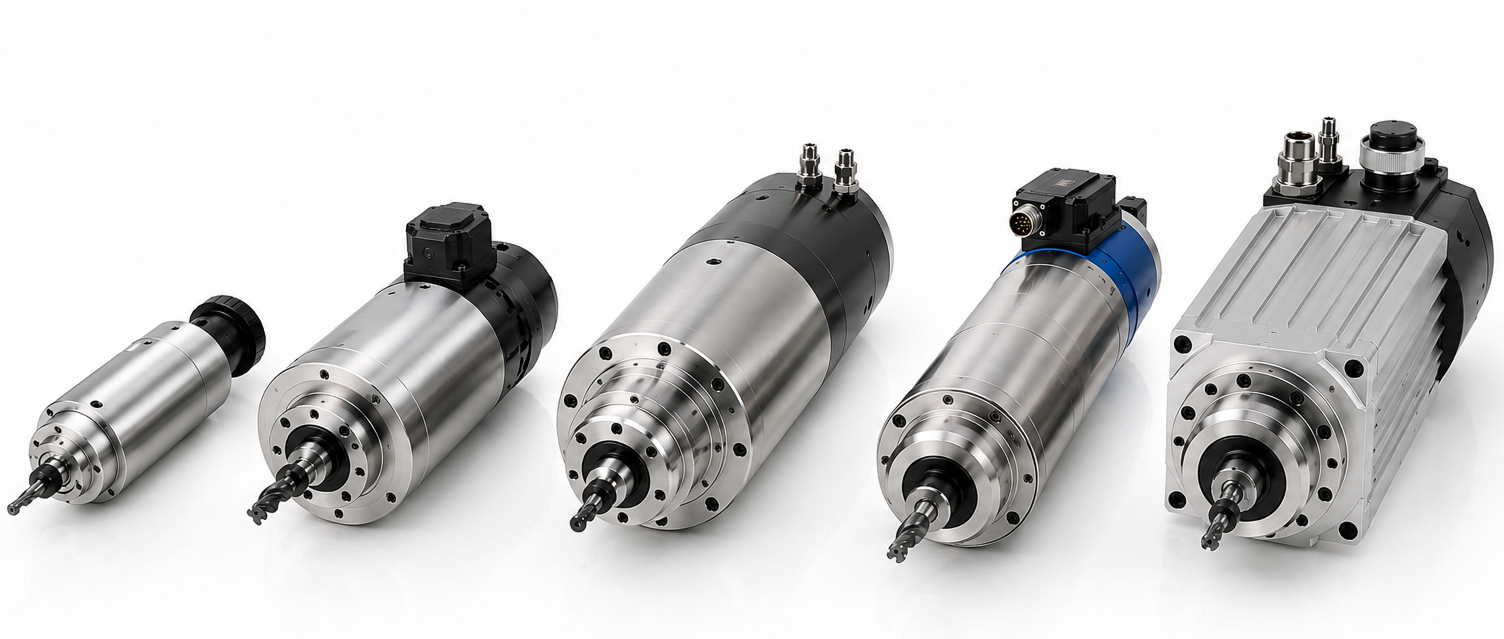
밀링 스핀들의 요구 성능은 가공 대상에 따라 달라집니다. 알루미늄처럼 높은 절삭 속도가 중요한 소재에서는 고속 회전 성능이 주요 기준이 될 수 있으며, 강재나 티타늄·내열합금과 같은 난삭재를 가공할 때는 충분한 토크와 구조 강성이 더 중요하게 고려될 수 있습니다. 금형이나 항공우주 부품처럼 복잡한 형상과 정밀한 공차가 요구되는 경우에는 회전 정밀도, 열 안정성, 진동 억제 성능을 함께 검토해야 합니다.
또한 공구 체결 방식, 구동 구조, 베어링 구성, 냉각 방식, 센서 적용 여부에 따라 스핀들의 운전 특성과 유지관리 조건도 달라집니다. 따라서 밀링 스핀들은 단일 부품이라기보다 구동, 지지, 체결, 냉각, 모니터링 기능이 결합된 정밀 회전 시스템으로 이해하는 것이 적절합니다.
Spindle requirements vary by material and process. High-speed capability may be important when machining aluminum, while greater torque and rigidity may be required for steel or difficult-to-cut materials. For molds, aerospace parts, and other precision components, rotational accuracy, thermal stability, and vibration control often need to be evaluated together.
Tool interface, drive configuration, bearing arrangement, cooling method, and sensor integration also affect spindle behavior and maintenance requirements. For this reason, a milling spindle is best understood not as a single rotating part, but as an integrated precision system combining drive, support, tool clamping, cooling, and monitoring functions.
핵심 정리
밀링 스핀들은 CNC 명령을 실제 절삭 동작으로 전환하는 핵심 유닛입니다. 공구를 회전시키는 기능뿐 아니라 절삭력을 전달하고, 하중과 열을 관리하며, 안정적인 가공 상태를 유지합니다.
Key Takeaway
A milling spindle converts CNC commands into actual cutting motion. It rotates the tool, transmits cutting forces, manages mechanical and thermal loads, and helps maintain stable machining conditions.
밀링 스핀들은 가공 품질에 어떤 영향을 미치는가?
How Does a Milling Spindle Affect Machining Quality?
회전 정밀도와 치수 정확도
Rotational Accuracy and Dimensional Precision
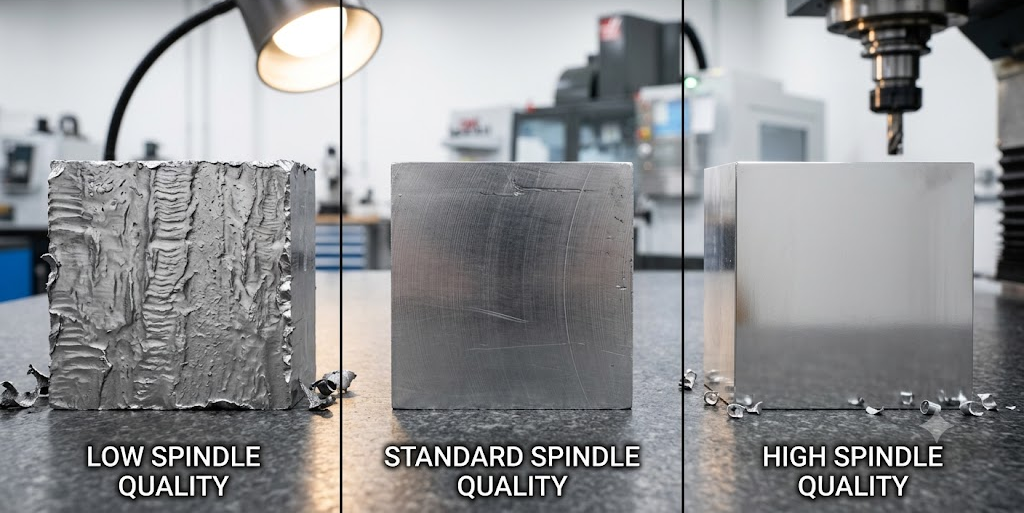
스핀들의 회전축이 불안정하면 공구 끝단의 궤적에도 편차가 발생할 수 있습니다. 이는 가공 치수와 형상 정확도에 영향을 주며, 소형 공구나 정밀 공차 가공에서 더욱 민감하게 나타납니다.
If the spindle axis is unstable, small deviations can occur at the cutting edge. This may affect dimensional and geometric accuracy, especially when using small-diameter tools or machining tight tolerances.
진동과 표면 품질
Vibration and Surface Quality
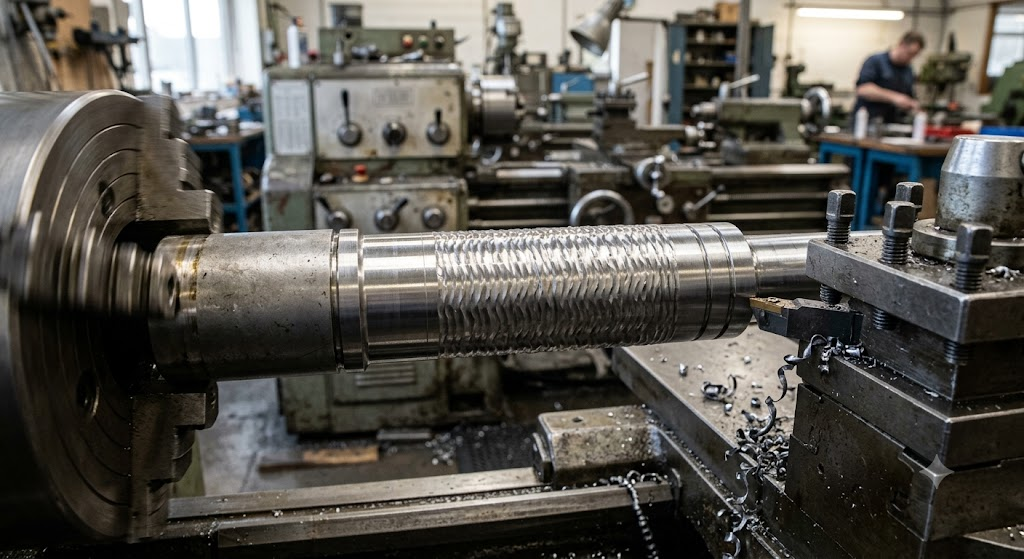
절삭 중 진동은 채터 마크, 물결 무늬, 불규칙한 공구 흔적을 유발할 수 있습니다. 스핀들 강성과 베어링 상태가 안정적일수록 절삭 하중을 효과적으로 지지해 보다 균일한 가공면을 형성하는 데 도움이 됩니다.
Cutting vibration can cause chatter marks, wave patterns, and irregular tool marks. A spindle with sufficient rigidity and stable bearing performance can support cutting loads more effectively and help produce a more uniform surface finish.
열 안정성과 가공 반복성
Thermal Stability and Machining Repeatability
고속 회전과 베어링 마찰로 발생한 열이 충분히 관리되지 않으면 샤프트와 하우징에 미세한 열변형이 생길 수 있습니다. 이로 인해 장시간 가공에서 치수 편차가 점차 커질 가능성이 있습니다.
Heat generated by high-speed rotation and bearing friction can cause slight thermal deformation in the shaft and housing. If not properly managed, this may lead to dimensional drift during extended machining cycles.
토크와 절삭 안정성
Torque and Cutting Stability
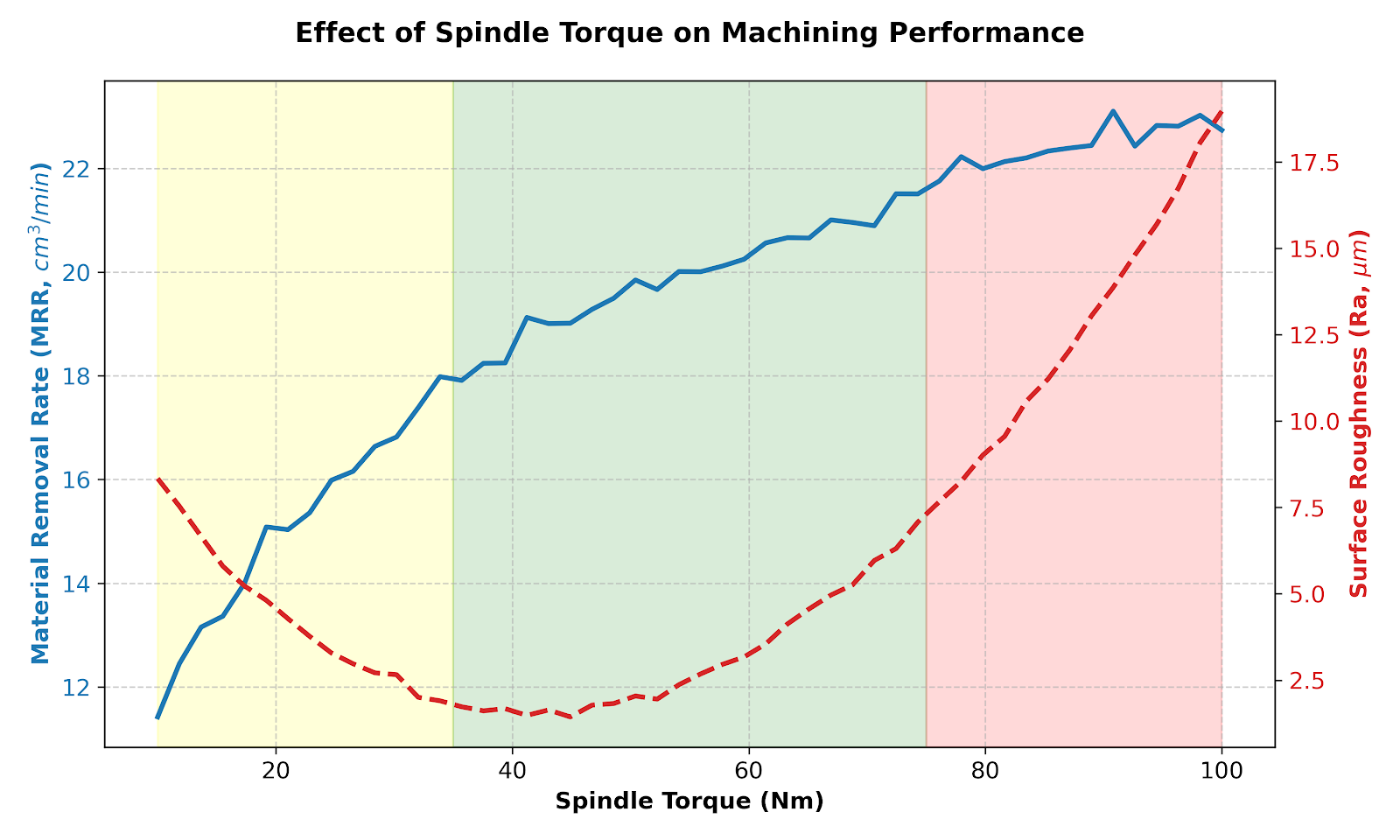
스핀들의 토크가 가공 소재와 절삭 조건에 비해 부족하면 회전 속도가 불안정해지거나 절삭 부하에 충분히 대응하지 못할 수 있습니다. 반대로 필요한 토크를 안정적으로 전달하면 공정 안정성과 생산성 확보에 유리합니다.
If spindle torque is insufficient for the material or cutting condition, rotational speed may become unstable under load. Stable torque delivery helps the cutting tool maintain consistent engagement and supports process reliability.
공구 수명과 생산성
Tool Life and Productivity
불안정한 회전, 과도한 진동, 열 축적은 공구의 불균일 마모와 파손 가능성을 높일 수 있습니다. 이는 공구 교환, 가공 중단, 재작업 증가로 이어질 수 있습니다.
Unstable rotation, excessive vibration, and heat buildup can accelerate uneven tool wear or increase the risk of tool failure. This may result in more frequent tool changes, downtime, and rework.
밀링 스핀들의 주요 구성 요소와 기능
Main Components and Functions of a Milling Spindle
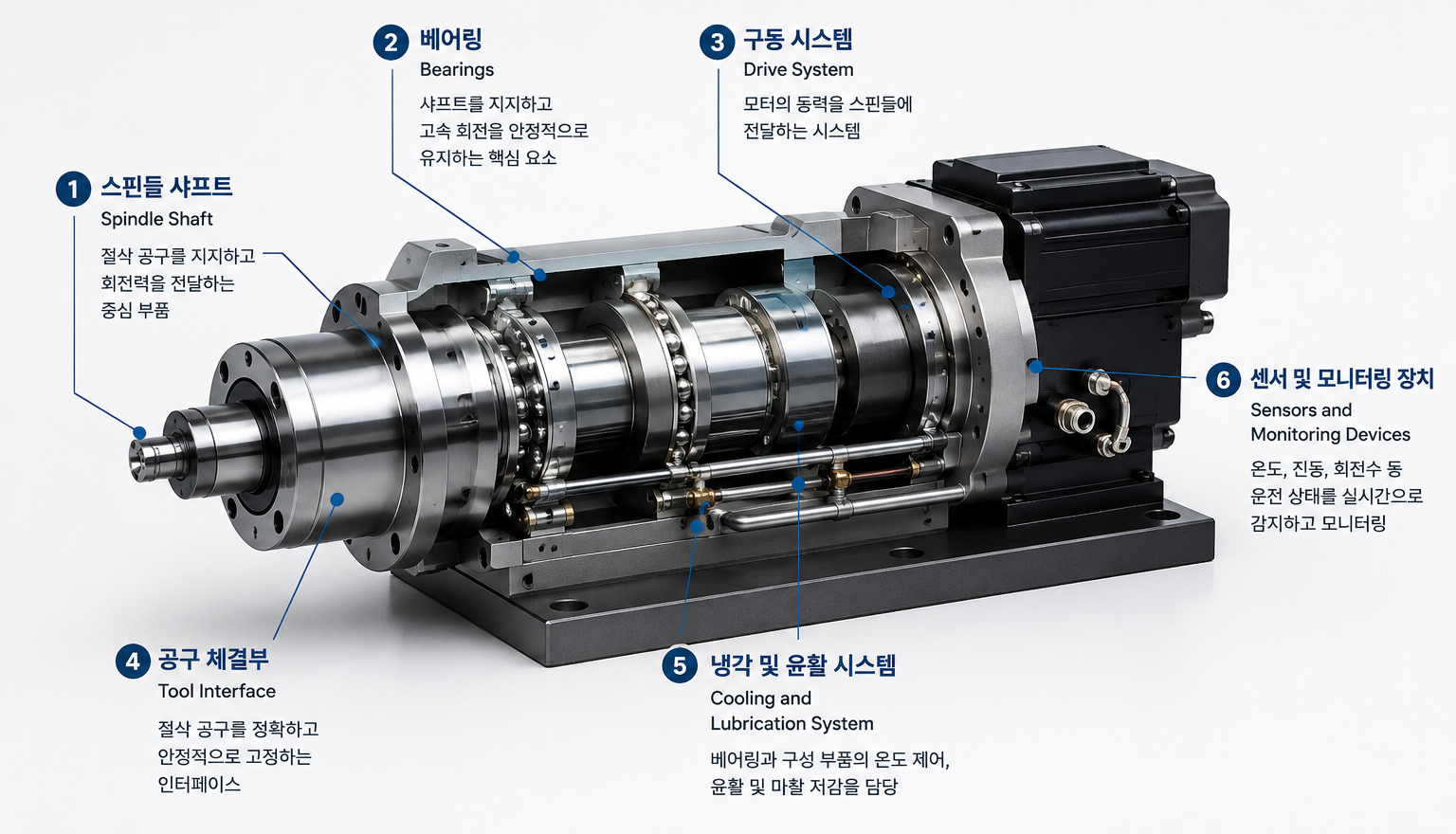
밀링 스핀들은 하나의 부품이 아니라, 여러 정밀 요소가 함께 작동하는 시스템입니다. 각 구성 요소의 성능과 조합에 따라 회전 안정성, 강성, 열 관리, 유지보수성이 달라질 수 있습니다.
A milling spindle is not a single component, but an integrated system in which multiple precision elements work together. Its rotational stability, rigidity, thermal management, and maintainability depend on the performance and configuration of these components.
스핀들 샤프트 | Spindle Shaft
스핀들 샤프트는 절삭 공구를 지지하고 회전력을 전달하는 중심 부품입니다. 가공 중 발생하는 축 방향과 반경 방향 하중을 견디면서 안정적인 회전을 유지해야 합니다.
The spindle shaft supports the cutting tool and transmits rotational power. It must withstand axial and radial cutting loads while maintaining stable rotation.
베어링 | Bearings
베어링은 스핀들 샤프트를 지지하고 고속 회전을 안정적으로 유지하도록 돕는 핵심 요소입니다. 베어링의 종류와 배치는 스핀들의 회전 성능, 강성, 발열 특성, 수명에 영향을 줄 수 있습니다.
Bearings support the spindle shaft and help maintain stable rotation at high speed. Their type and arrangement can influence spindle speed capability, rigidity, heat generation, and service life.
구동 시스템 | Drive System
구동 시스템은 모터에서 발생한 동력을 스핀들에 전달하는 장치입니다. 벨트 구동, 직접 구동(Direct Drive), 모터 내장형(Motorized Spindle) 등 다양한 방식이 있으며, 요구되는 회전수와 토크, 장비 구조에 따라 적합한 구동 방식이 달라질 수 있습니다.
The drive system transfers motor power to the spindle. Common configurations include belt-driven, direct-drive, and motorized spindles, each offering different characteristics depending on the required speed, torque, and machine configuration.
공구 체결부 | Tool Interface
공구 체결부는 절삭 공구를 정확하고 안정적으로 고정하는 역할을 합니다. BT, CAT, HSK 등 다양한 인터페이스 규격이 사용되며, 체결 정밀도와 클램핑 성능은 런아웃(Runout), 진동, 절삭 안정성에 영향을 줄 수 있습니다.
The tool interface securely holds the cutting tool during machining. Common standards such as BT, CAT, and HSK are designed to provide precise tool positioning, while clamping accuracy plays an important role in minimizing runout, vibration, and machining instability.
냉각 및 윤활 시스템 | Cooling and Lubrication System
밀링 스핀들은 고속 회전 과정에서 베어링 마찰과 모터 작동으로 인해 지속적으로 열이 발생합니다. 냉각 및 윤활 시스템은 이러한 열을 효과적으로 제어하고 마찰을 줄여 스핀들의 회전 정밀도와 장시간 운전 안정성을 유지하는 데 중요한 역할을 합니다.
During high-speed operation, milling spindles continuously generate heat from bearing friction and motor operation. Cooling and lubrication systems help control temperature, reduce friction, and maintain rotational accuracy and stable performance during extended machining cycles.
센서 및 모니터링 장치 | Sensors and Monitoring Devices
최근의 밀링 스핀들은 온도, 진동, 회전수 등 다양한 운전 데이터를 실시간으로 모니터링할 수 있는 센서를 적용하는 경우가 늘어나고 있습니다. 이러한 데이터를 활용하면 이상 징후를 조기에 감지하고 예방정비(Predictive Maintenance)를 계획하는 데 도움이 될 수 있습니다.
Modern milling spindles are increasingly equipped with sensors that monitor operating conditions such as temperature, vibration, and spindle speed in real time. This data can help identify early signs of abnormal operation and support predictive maintenance strategies to improve machine reliability.
밀링 스핀들은 CNC 장비 성능을 좌우하는 핵심 유닛
Milling Spindle is a Key Unit Influencing CNC Machine Performance
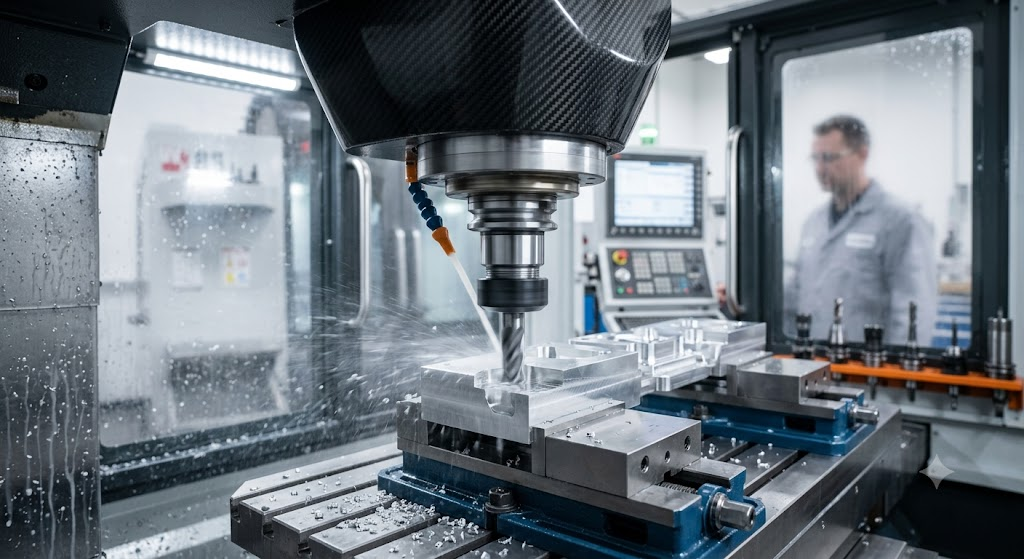
생산 현장에서 스핀들의 가치는 실제 가공 결과에서 더욱 분명하게 드러납니다. 동일한 공구와 프로그램을 사용하더라도 가공면이 일정하지 않거나 공구 교체 주기가 짧아지고, 장시간 운전 후 치수 편차가 커진다면 스핀들의 상태와 운전 조건을 함께 점검할 필요가 있습니다.
중요한 것은 최고 회전수나 출력 수치만 비교하는 것이 아닙니다. 가공 소재, 공구, 절삭 조건, 연속 운전 시간에 따라 스핀들이 얼마나 안정적으로 성능을 유지하는지가 장비 활용성과 생산 안정성에 직접적인 영향을 미칩니다.
다음 콘텐츠에서는 밀링 스핀들의 주요 종류와 적용 산업을 자세히 다룰 예정입니다. 고토크형, 모터 내장형, 벨트 구동형, 다이렉트 드라이브 스핀들의 차이와 자동차 부품, 금형, 항공우주, 정밀가공 분야에서의 적용 기준을 소개하겠습니다.
The value of a spindle becomes most evident in actual machining results. Even with the same tooling and CNC program, inconsistent surface quality, shorter tool-change intervals, or dimensional drift during extended operation may indicate that spindle condition and operating parameters should be reviewed together.
Maximum speed and power ratings alone do not define spindle performance. What matters is how consistently the spindle maintains its performance under actual materials, tooling, cutting conditions, and continuous operating cycles.
In the next article, we will examine the main types of milling spindles and their industrial applications. We will cover the differences between high-torque, motorized, belt-driven, and direct-drive spindles, along with application considerations for automotive components, mold and die, aerospace, and precision machining.