In this article, ORSKOREA looks at quality from the perspective of Cost of Quality, prevention, continuous improvement, and customer trust.
제조업에서 품질은 최종 검사 단계에서만 결정되지 않습니다. 설계, 구매, 생산, 조립, 검사, 서비스에 이르는 전 과정에서 만들어지는 결과입니다. 그렇기 때문에 지속적인 품질교육은 중요합니다. 각 부서가 자신의 역할에서 지켜야 할 기준을 이해하고 실천할 때 품질은 더 안정적으로 유지되며, 고객은 제품과 서비스를 신뢰할 수 있습니다.
이번 글에서는 오알에스코리아가 품질 비용, 예방 중심 품질관리, 지속적 개선, 고객 신뢰의 관점에서 품질을 어떻게 바라보고 있는지 정리합니다.
What Quality Means in Manufacturing
제조업에서 품질이 의미하는 것
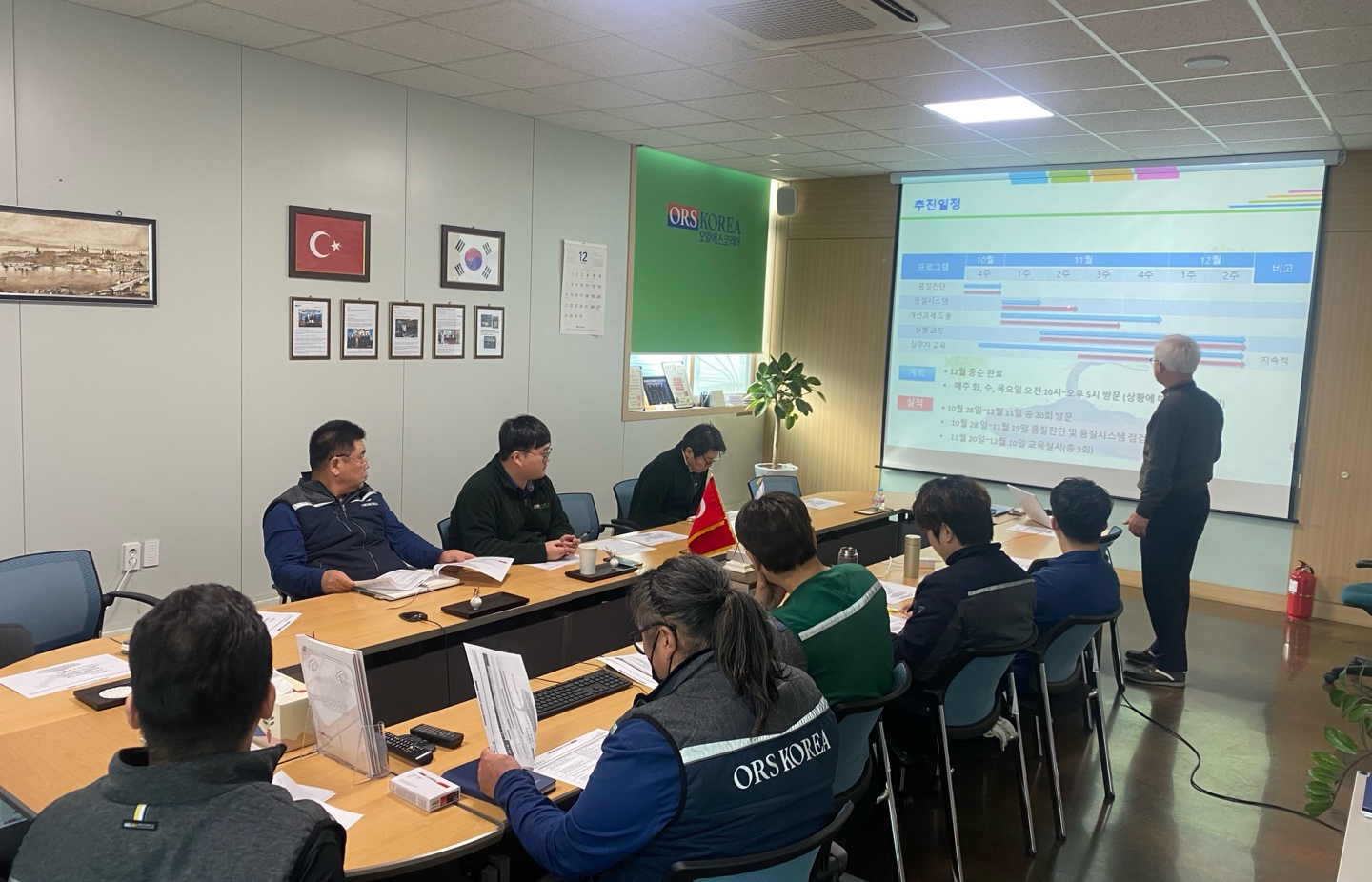
When people think of quality, they often associate it with inspection results or the absence of defects. However, in manufacturing, quality encompasses much more than the final condition of a product.
Quality is created when every process is performed according to established standards. Design must accurately reflect customer requirements, procurement must ensure component consistency, production must follow defined procedures, and inspection must verify that these requirements have been met. In other words, quality is the result of every department working toward the same standard.
For companies that manufacture precision grinding machines and spindles, quality becomes even more important. Product performance, reliability, maintenance requirements, and long term operational stability are all influenced by how consistently quality is managed throughout the manufacturing process.
Ultimately, quality is not the responsibility of a single department. It is a shared commitment across the organization and a fundamental factor in building customer trust.
많은 사람들이 품질을 이야기할 때 검사 결과나 불량 발생 여부를 먼저 떠올립니다. 하지만 제조업에서의 품질은 단순히 최종 제품의 상태만을 의미하지 않습니다.
품질은 각 공정이 정해진 기준에 따라 수행될 때 만들어집니다. 설계 단계에서는 고객의 요구사항이 정확하게 반영되어야 하며, 구매 단계에서는 부품의 품질이 안정적으로 확보되어야 합니다. 또한 생산 단계에서는 표준 작업이 준수되어야 하고, 검사 단계에서는 요구된 품질 수준이 충족되었는지 확인해야 합니다. 즉, 품질은 특정 부서의 업무가 아니라 모든 부서가 동일한 기준을 향해 움직일 때 만들어지는 결과입니다.
특히 정밀 연삭기와 스핀들을 제조하는 기업에게 품질은 더욱 중요한 의미를 가집니다. 제품의 성능과 신뢰성은 물론 유지관리와 장기적인 운영 안정성까지 제조 과정 전반의 품질 수준에 영향을 받기 때문입니다.
결국 품질은 한 부서가 책임지는 업무가 아니라 조직 전체가 함께 만들어가는 가치이며, 고객 신뢰를 형성하는 중요한 기반이라고 할 수 있습니다.
Why ORSKOREA Invests in Quality Training
오알에스코리아의 더 나은 품질을 위한 지속적인 교육
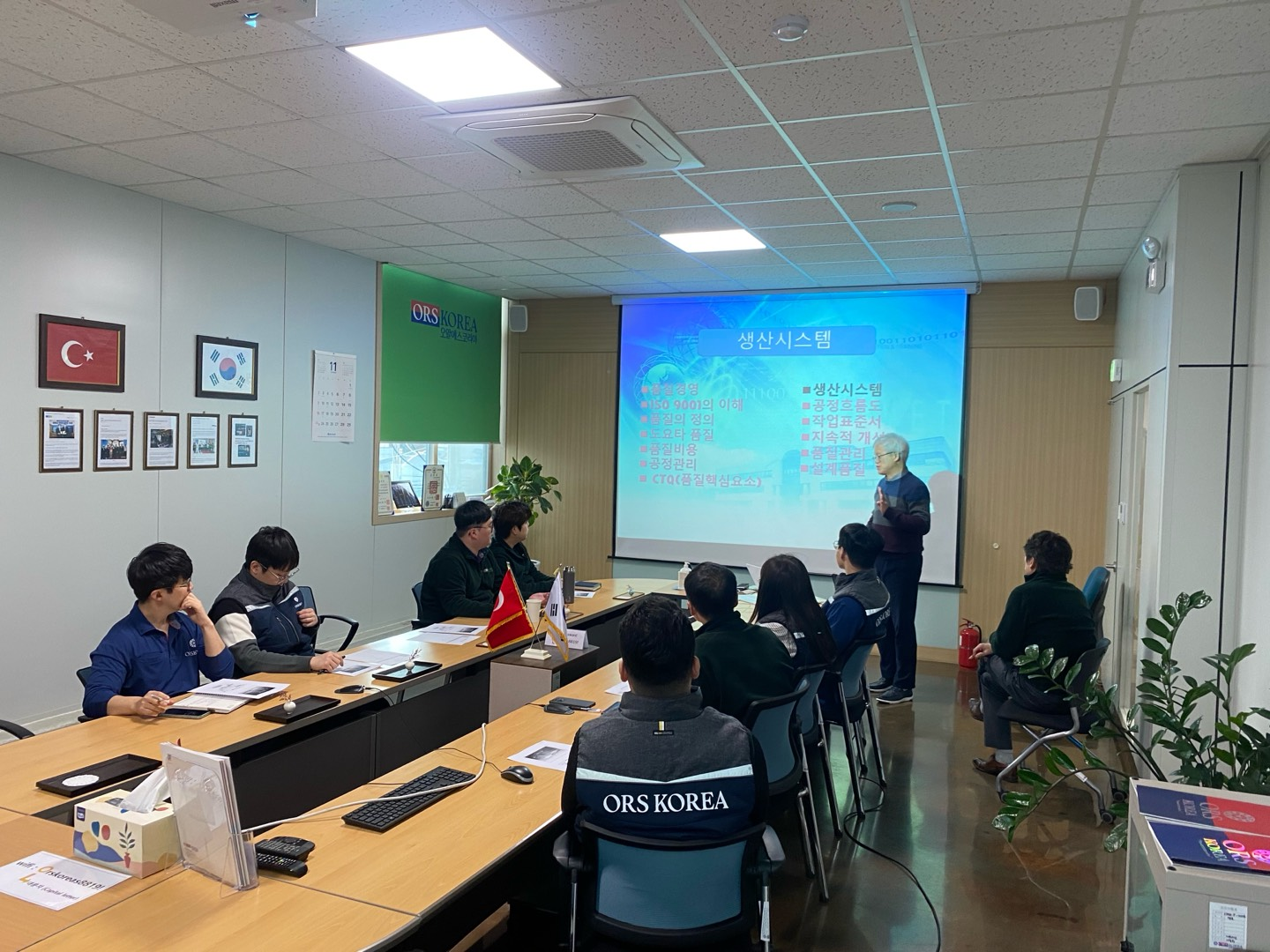
Quality management in manufacturing is not achieved through inspection alone. To maintain consistent quality standards, employees across all departments must share a common understanding of quality requirements and continuously strengthen their capabilities.
For this reason, ORSKOREA regularly conducts quality training. Through these sessions, employees review key quality concepts, examine practical cases that may occur in the workplace, and share directions for improvement.
As manufacturing environments become increasingly complex, quality issues can arise from a wide range of factors, including processes, materials, communication, documentation, and operational practices. Continuous quality training helps employees better understand these factors and supports more proactive quality management throughout the organization.
Beyond improving individual knowledge, quality training contributes to building a stronger quality culture. When employees share the same quality standards and objectives, it becomes easier to maintain manufacturing quality, reduce risks, and deliver products and services that customers can trust.
제조업에서 품질관리는 검사만으로 완성되지 않습니다. 안정적인 품질 수준을 유지하기 위해서는 각 부서가 품질에 대한 공통된 기준을 이해하고, 지속적으로 역량을 강화해 나가는 과정이 필요합니다.
이러한 이유로 오알에스코리아는 정기적인 품질교육을 진행하고 있습니다. 교육을 통해 품질과 관련된 주요 개념을 다시 점검하고, 현장에서 발생할 수 있는 다양한 사례를 함께 살펴보며 개선 방향을 공유하고 있습니다.
제조 환경이 복잡해질수록 품질 문제는 공정뿐만 아니라 자재, 문서, 커뮤니케이션, 작업 방식 등 다양한 요소에서 발생할 수 있습니다. 지속적인 품질교육은 이러한 요소들을 보다 체계적으로 이해하고, 문제 발생 이후의 대응보다 사전 예방 중심의 품질관리를 실천하는 데 도움을 줍니다.
또한 품질교육은 단순한 지식 전달을 넘어 조직의 품질 문화를 만들어가는 과정이기도 합니다. 모든 구성원이 동일한 품질 기준과 목표를 공유할 때 제조 품질의 일관성을 높일 수 있으며, 고객이 신뢰할 수 있는 제품과 서비스를 제공하는 기반도 더욱 견고해질 수 있습니다.
What is the Cost of Quality (COQ)?
품질 비용(COQ)이란 무엇인가

When discussing manufacturing quality, one concept that is frequently referenced is the Cost of Quality (COQ).
The Cost of Quality refers to all costs associated with preventing quality issues, identifying them, and resolving them when they occur. While material costs, component costs, and machining costs are often visible throughout the manufacturing process, quality related costs are not always immediately apparent.
For example, if a defect occurs, additional resources may be required to investigate the root cause, inspect affected products, perform rework, communicate with customers, and adjust production schedules. Even when a product issue is successfully resolved, time and resources have already been consumed.
At the same time, companies also invest in activities designed to prevent these situations from occurring. Quality training, process reviews, work standard development, inspections, and validation activities all require time and resources. These efforts are also part of the Cost of Quality.
In other words, the Cost of Quality is not limited to the cost of fixing problems. It includes both the investments made to prevent quality issues and the resources required to address them when they arise.
제조업에서 품질을 이야기할 때 자주 언급되는 개념 중 하나가 바로 품질 비용(Cost of Quality, COQ) 입니다.
품질 비용은 품질 문제를 예방하고, 발견하고, 발생한 문제를 해결하는 과정에서 발생하는 모든 비용을 의미합니다. 재료비, 부품비, 가공비와 같은 비용은 생산 과정에서 비교적 쉽게 확인할 수 있지만, 품질과 관련된 비용은 눈에 보이지 않는 경우가 많습니다.
예를 들어 제품에 불량이 발생하면 원인을 분석하고, 영향을 받은 제품을 확인하고, 재작업을 진행하거나 고객과 소통하는 과정이 필요할 수 있습니다. 경우에 따라 생산 일정 조정이나 추가적인 검증 작업이 요구될 수도 있습니다. 문제를 해결하더라도 이미 상당한 시간과 자원이 투입된 상태입니다.
반대로 이러한 문제가 발생하지 않도록 품질교육을 실시하고, 작업 기준을 정비하고, 공정을 점검하며, 사전 검증 활동을 수행하는 데에도 비용이 들어갑니다. 이러한 활동 역시 품질 비용의 일부로 볼 수 있습니다.
즉, 품질 비용은 단순히 문제가 발생했을 때 지출되는 비용만을 의미하지 않습니다. 문제를 예방하기 위해 투자하는 비용과 문제 발생 이후 이를 해결하기 위해 사용하는 비용을 모두 포함하는 개념입니다.
Prevention Costs vs. Failure Costs: Why Prevention Matters
예방 비용과 실패 비용: 왜 예방이 중요한가
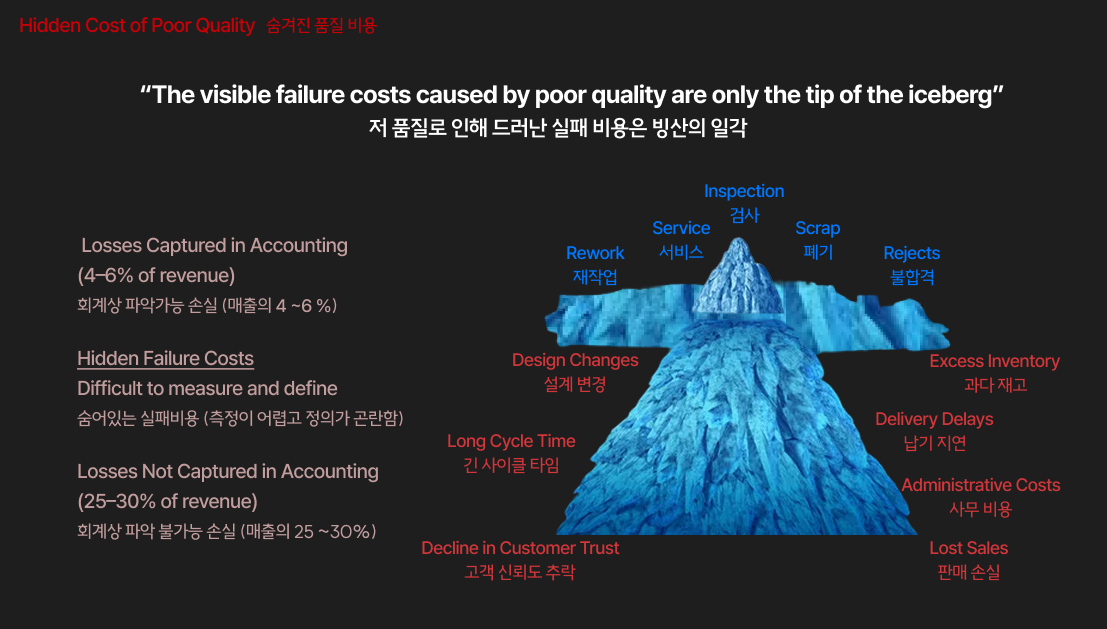
The Cost of Quality can generally be divided into two categories: prevention costs and failure costs.
Prevention costs are expenses incurred to avoid quality issues before they occur. Examples include quality training, process improvements, work standard development, audits, inspections, and validation activities.
Failure costs, on the other hand, are incurred after a quality issue has already occurred. These may include product repairs, rework, replacement costs, complaint handling, additional inspections, delivery delays, and customer support activities.
While failure costs are often easier to identify because they appear as direct expenses, the actual impact can be much greater. A single quality issue can affect production schedules, consume additional resources, and negatively influence customer confidence.
For manufacturers of precision grinding machines and spindles, the impact of quality issues may extend beyond a single product. Because these machines are often integrated into critical production processes, reliability and consistency are essential throughout their operating life.
For this reason, ORSKOREA places significant emphasis on prevention focused quality management. Through continuous quality training, process improvements, standardization activities, and proactive validation efforts, we aim to reduce the likelihood of quality issues before they occur.
Rather than simply correcting problems after they are discovered, our goal is to build a manufacturing environment where potential risks can be identified and addressed at an earlier stage.
품질 비용은 크게 예방 비용과 실패 비용으로 나누어 볼 수 있습니다.
예방 비용은 품질 문제가 발생하기 전에 이를 방지하기 위해 사용하는 비용입니다. 품질교육, 공정 개선, 작업 표준 정립, 감사, 검사, 검증 활동 등이 대표적인 예입니다.
반면 실패 비용은 품질 문제가 발생한 이후 이를 해결하기 위해 발생하는 비용을 의미합니다. 제품 수리, 재작업, 교환 비용, 고객 대응, 추가 검사, 납기 지연 등이 이에 해당할 수 있습니다.
실패 비용은 직접적인 비용으로 나타나기 때문에 쉽게 인식되지만, 실제 영향은 그보다 훨씬 클 수 있습니다. 하나의 품질 문제가 생산 일정에 영향을 주고, 추가적인 자원을 투입하게 만들며, 고객의 신뢰에도 영향을 줄 수 있기 때문입니다.
특히 정밀 연삭기와 스핀들을 제조하는 기업에게 품질 문제는 단순히 한 개 제품의 문제가 아닙니다. 고객의 생산 공정에 직접 영향을 줄 수 있는 만큼, 제품의 신뢰성과 일관된 품질 확보가 중요합니다.
이러한 이유로 오알에스코리아는 예방 중심의 품질관리에 더욱 집중하고 있습니다. 지속적인 품질교육, 공정 개선, 표준화 활동, 사전 검증 체계 구축 등을 통해 품질 문제가 발생할 가능성을 줄이기 위해 노력하고 있습니다.
오알에스코리아는 문제가 발생한 이후의 대응에만 집중하기보다, 문제가 발생하기 전에 위험 요소를 발견하고 개선할 수 있는 제조 환경을 만들어가고 있습니다.
How Quality Management Builds Customer Trust
품질관리가 고객 신뢰로 이어지는 이유
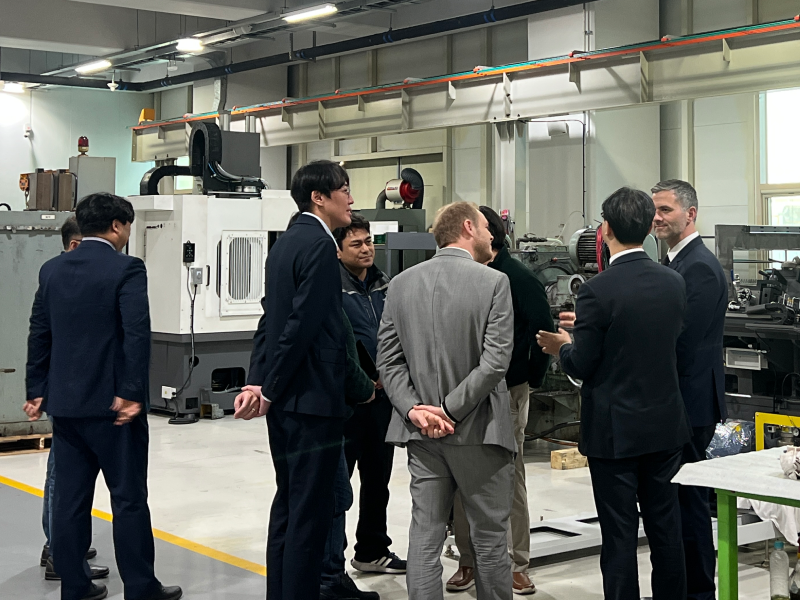
Quality management is not only about reducing defects. In manufacturing, it directly influences how customers evaluate a supplier’s reliability.
1. Stable Product and Service Quality
When products perform as expected and service quality remains consistent, customers can rely on the supplier with greater confidence.
2. More Predictable Lead Times
Reducing defects and rework helps stabilize the production flow. This can support more predictable lead time management and reduce uncertainty for customers.
3. Stronger Long Term Trust
Customers do not evaluate only product specifications. They also look at whether a company can maintain consistent quality over time. Continuous quality management and improvement activities help build stronger long term trust.
Ultimately, quality is not simply about meeting requirements. It is about creating confidence through reliable products, stable processes, and continuous improvement.
품질관리는 단순히 불량을 줄이는 활동에 그치지 않습니다. 제조업에서 품질관리는 고객이 공급사의 신뢰성을 판단하는 중요한 기준이 됩니다.
1. 안정적인 제품 및 서비스 품질
제품이 기대한 성능을 제공하고 서비스 품질이 일관되게 유지될 때 고객은 공급사를 더 신뢰할 수 있습니다.
2. 예측 가능한 리드타임 관리
불량과 재작업이 줄어들면 생산 흐름이 안정됩니다. 이는 리드타임을 보다 예측 가능하게 관리하는 데 도움이 되며, 고객 입장에서도 불확실성을 줄일 수 있습니다.
3. 장기적인 고객 신뢰 형성
고객은 제품 사양만 보지 않습니다. 기업이 일정한 품질 수준을 지속적으로 유지할 수 있는지도 함께 봅니다. 지속적인 품질관리와 개선 활동은 장기적인 신뢰를 형성하는 기반이 됩니다.
결국 품질은 단순히 요구사항을 충족하는 것이 아니라, 안정적인 제품과 프로세스, 지속적인 개선을 통해 고객에게 신뢰를 제공하는 과정입니다.
ORSKOREA’s Approach: From NTF Reduction to Zero Defec
NTF 저감에서 Zero Defect를 향한 접근
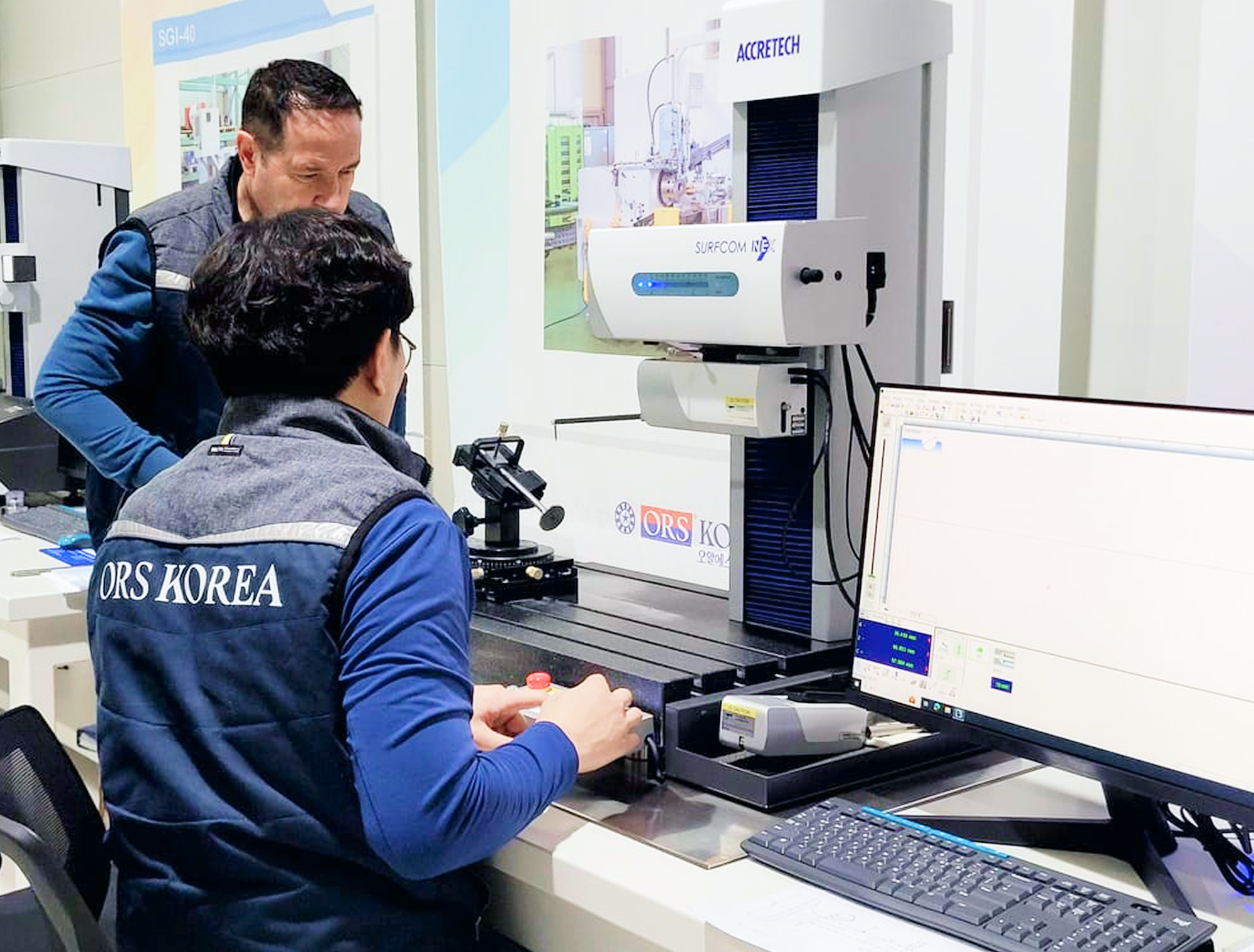
One quality related term frequently used in manufacturing is NTF (No Trouble Found). It refers to situations where a customer experiences an issue, but no clear defect can be identified during inspection or analysis.
Although no abnormality is found, the customer's concern does not simply disappear. This is why manufacturers must look beyond inspection results and focus on understanding and preventing potential causes.
At ORSKOREA, reducing NTF cases is part of our broader commitment to preventive quality management and continuous improvement.
1. Identifying Potential Risks Before Issues Occur
Rather than focusing solely on resolving issues after they arise, ORSKOREA works to identify potential risks during design, procurement, production, assembly, and inspection processes.
2. Sharing Quality Responsibility Across Departments
Quality is not owned by a single department. Design, production, inspection, purchasing, and management teams all contribute to maintaining quality standards and improving processes.
3. Standardizing Processes and Preventing Recurrence
By establishing standardized procedures and maintaining quality records, ORSKOREA continuously reviews opportunities for improvement and works to prevent similar issues from occurring again.
Through this approach, ORSKOREA aims to move beyond defect detection and toward building a manufacturing environment where defects are less likely to occur in the first place.
제조업 품질관리에서 자주 언급되는 용어 중 하나가 NTF(No Trouble Found) 입니다. 고객은 제품 사용 중 문제를 경험했지만, 검사나 분석 과정에서 명확한 이상 원인이 발견되지 않는 경우를 의미합니다.
하지만 검사 결과 이상이 발견되지 않았다고 해서 고객이 느낀 불편이나 우려까지 사라지는 것은 아닙니다. 그렇기 때문에 제조업에서는 단순히 검사 결과에만 의존하기보다, 문제의 가능성을 줄이는 예방 중심의 접근이 중요합니다.
오알에스코리아는 이러한 NTF 상황을 줄이고 보다 안정적인 품질을 확보하기 위해 예방 중심의 품질관리와 지속적인 개선 활동을 추진하고 있습니다.
1. 문제가 발생하기 전 잠재적 위험 요소 검토
오알에스코리아는 문제가 발생한 이후의 대응뿐만 아니라 설계, 구매, 생산, 조립, 검사 단계에서 발생할 수 있는 위험 요소를 사전에 검토하고 개선하기 위해 노력하고 있습니다.
2. 전 부서가 함께 참여하는 품질관리
품질은 특정 부서만의 책임이 아닙니다. 설계, 생산, 검사, 구매, 관리 부서를 포함한 모든 구성원이 품질 기준을 공유하고 개선 활동에 참여하고 있습니다.
3. 표준화와 재발 방지 활동
표준화된 업무 절차와 품질 기록을 기반으로 개선 사항을 지속적으로 점검하고 있으며, 동일한 문제가 반복되지 않도록 예방 활동을 추진하고 있습니다.
오알에스코리아는 단순히 불량을 발견하는 데 그치지 않고, 불량이 발생할 가능성을 줄일 수 있는 제조 환경을 만들어가기 위해 노력하고 있습니다.
Continuous Improvement for Reliable Grinding Machines and Spindles
신뢰할 수 있는 연삭기와 스핀들을 위한 지속적 개선
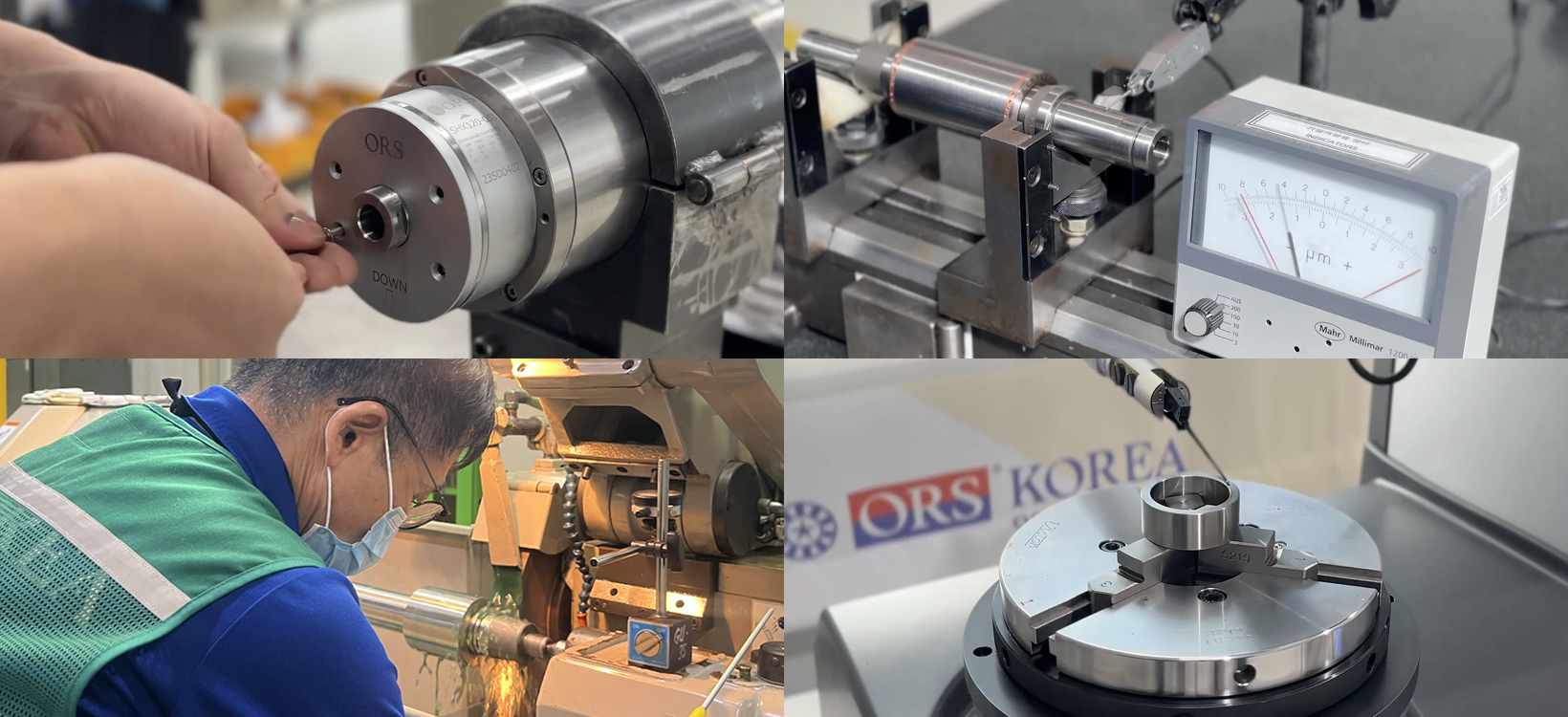
In precision manufacturing, quality is not achieved through a single inspection or improvement activity. It is built through continuous learning, consistent standards, and ongoing improvement efforts across the organization.
At ORSKOREA, quality training is part of our commitment to strengthening quality management and fostering a culture of continuous improvement. By sharing quality standards, improving processes, and enhancing our capabilities, we strive to provide grinding machines and spindle solutions that customers can trust.
As we move forward, ORSKOREA will continue focusing on preventive quality management and continuous improvement to deliver reliable products and services for our customers.
정밀가공 산업에서 품질은 한 번의 검사나 개선 활동으로 완성되지 않습니다. 지속적인 학습과 표준화, 그리고 꾸준한 개선 활동이 쌓일 때 비로소 안정적인 품질을 만들어갈 수 있습니다.
오알에스코리아는 품질교육을 비롯한 다양한 품질관리 활동을 통해 지속적인 개선 문화를 만들어가고 있습니다. 품질 기준을 공유하고 공정을 개선하며 조직의 역량을 강화함으로써 고객이 신뢰할 수 있는 연삭기와 스핀들 솔루션을 제공하기 위해 노력하고 있습니다.
앞으로도 오알에스코리아는 예방 중심의 품질관리와 지속적 개선 활동을 바탕으로 고객에게 안정적인 품질의 제품과 서비스를 제공할 수 있도록 최선을 다하겠습니다.